February 1
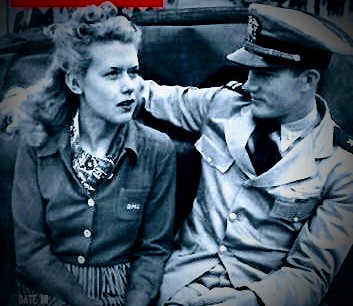
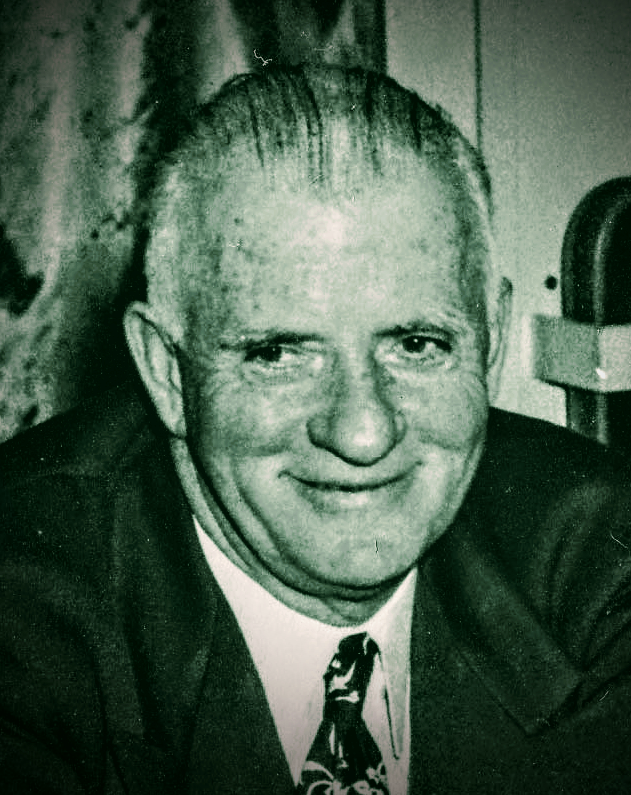
He was a close friend of Franklin and Eleanor.
His name is sometimes brought up in connection with Errol’s.
— Tim
February 1
He was a close friend of Franklin and Eleanor.
His name is sometimes brought up in connection with Errol’s.
— Tim
January 24, 1957
Bosley Crowther
New York Times
THERE is something excessively familiar about Universal’s “Istanbul,” which came yesterday to the Palace, and it isn’t just Errol Flynn. Mr. Flynn, looking heavily enameled about the eyes and the jaws, is a clearly familiar figure out of the not too distant past, but the script of this color picture goes away back into the years.It is, to put it briefly, one of those pictures about some missing “jools”—the same being $200,000 in diamonds that Mr. Flynn, a transient in Turkey, has stashed away. They have fallen into his hands by purest accident; but, once he has them, he sees no reason why he should turn them over to some crooks who want them or to the customs men. Neither does he see any reason why he should part with Cornell Borchers, a very tasty bit of Germanic femininity, with whom he is madly in love, when she loses her memory in a fire and marries another man. The lady is almost as important as the “jools” to him. However, he does give up the baubles (when it looks as if he is going to be caught with them, anyhow) and is prepared to give up Miss Borchers. Then her husband, Torin Thatcher, sees that there’s no point in trying to foil love, and he commits the lady reluctantly but manfully to Mr. Flynn.There is nothing to distinguish this production. The color is good and the CinemaScope inserts of the city by the Golden Horn are nice.
The Cast: ISTANBUL, screen play by Seton Miller, Barbara Gray and Richard Alan Simmons; based on a story by Mr. Miller; directed by Joseph Pevney and produced by Albert J. Cohen for Universal-International. At the Palace.Jim Brennan . . . . . Errol Flynn; Stephanie Bauer . . . . . Cornell Borchers: Karen Fielding; Inspector Nural . . . . . John Bentley; Douglas Fielding . . . . . Torin Thatcher; Charlie Boyle . . . . . Leif Erickson; Marge Boyle . . . . . Peggy Knudsen; Mr. Darius . . . . . Martin Benson; Danny Rice . . . . . Nat (King) Cole; Paul Renkov . . . . . Werner Klernperer
A version of this article appears in print on Jan. 24, 1957 of the National edition with the headline: The Screen: ‘Istanbul’; Errol Flynn Appears in Palace film.
…
With his friend, the Great Nat King Cole,performing this stunningly beautiful version of ‘When I Fall in Love’:
…
And with his gorgeous co-star. Cornell Borchers:
— Tim
My Wicked Wicked Ways
Washington Post Review
January 20, 1985
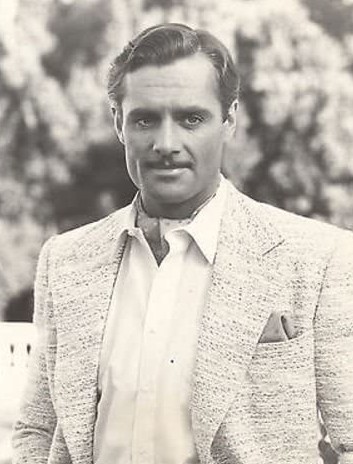
The story out of Hollywood is that they sorted through more than 400 resumes looking for someone to play Errol Flynn. Some were familiar names, most were not. Which was fine, since the producers wanted a face that was both fresh and familiar — fresh to the American television audience but familiar in its resemblance to Flynn’s.
Out of the stack emerged Duncan Regehr.
…
TV Preview
…
Scene by Scene Comparisons
…
Full Movie
— Tim
It’s been reported that Errol had a daughter before he married Tiger Lil’. What was her name, who was her mother, and where was she born????

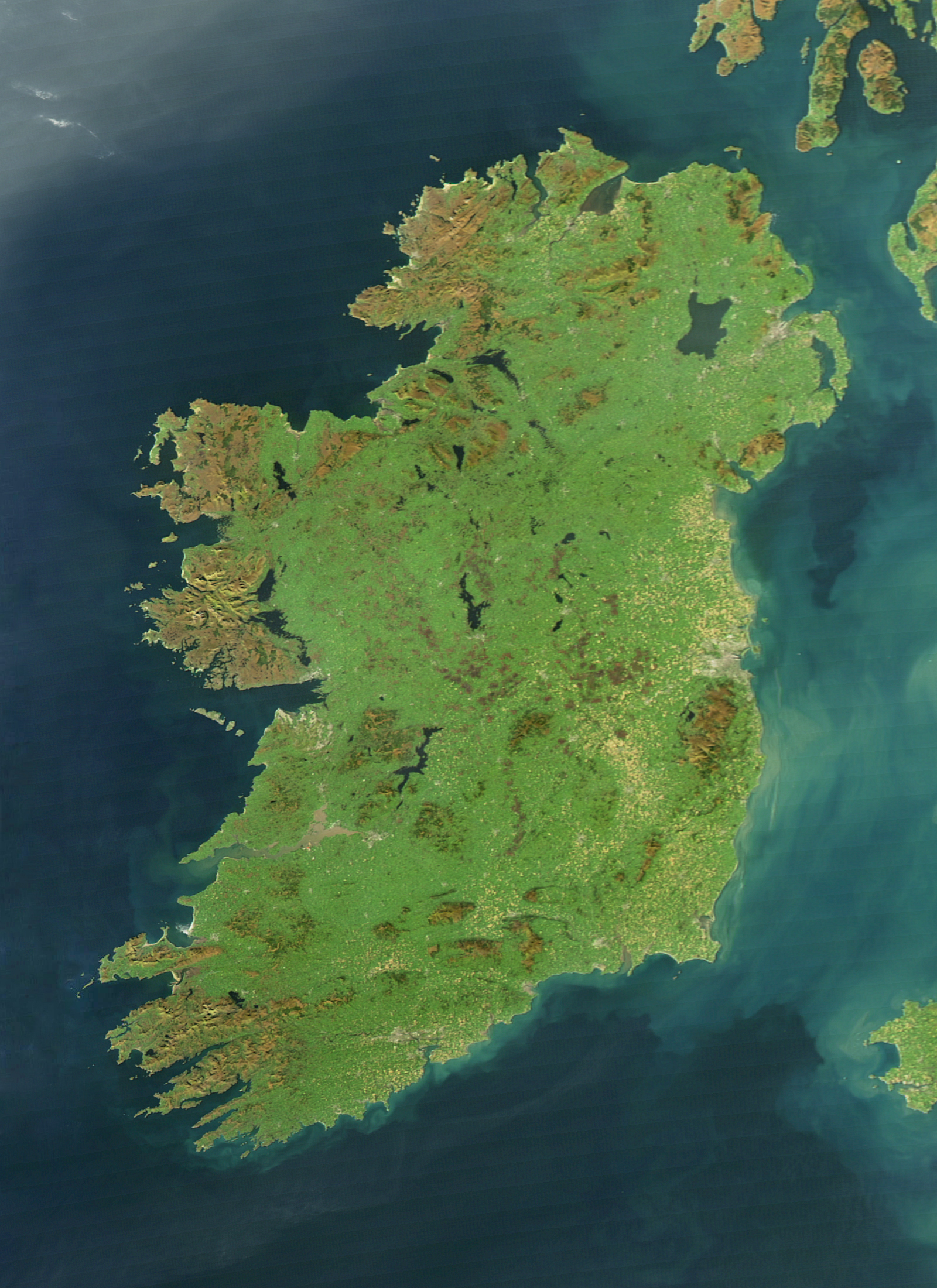
An island named after this island was involved…
…
Her first name means “Lily” in Hebrew…
(This clue added Sunday morning, 8am, January 17, 2021)

…
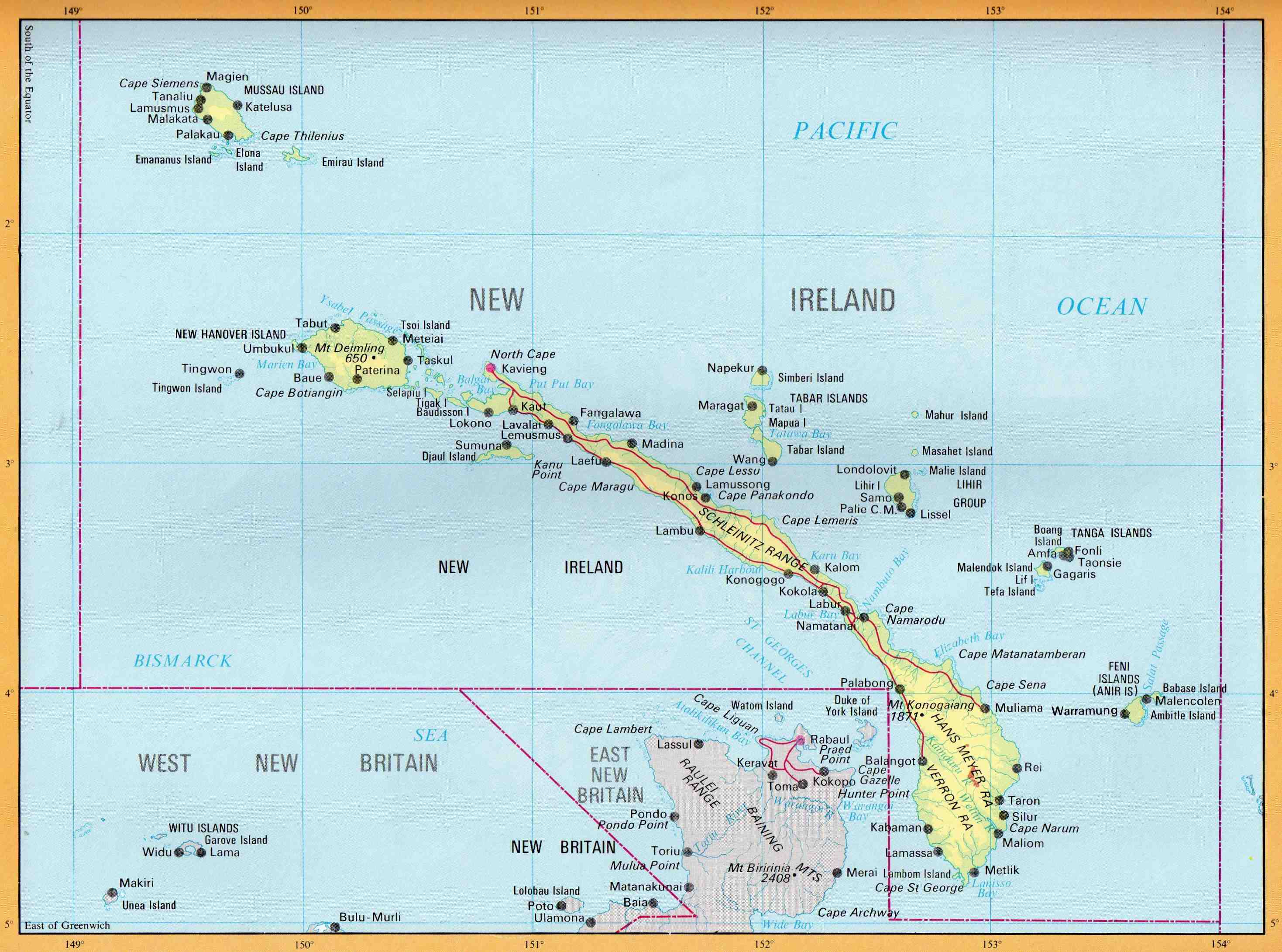
Her mother was from an island named on this map.
(This clue added Sunday morning, 9am, January 17, 2021)
…
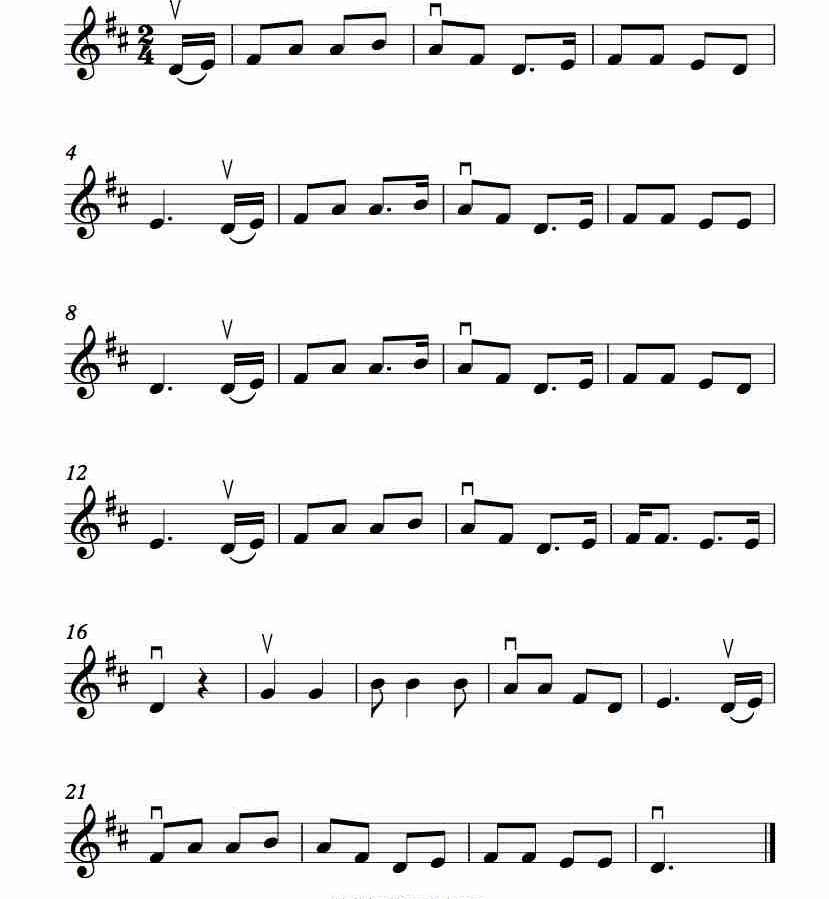
Humming this will help yield her name…
It’s by one of America’s greatest songwriters…
(This clue added Sunday morning, 11:48 am, January 17, 2021)
…
The mother was from Selapiu Island, near New Hanover Island. (See the map above)
After the birth of the daughter, she went to Ranmalek Mission and disappeared during World War II.
(This above set of clues added Sunday evening, 6:30 pm, January 17, 2021)
…
A man named Wilkie Wilkin is said to have cared for the mother and daughter at a copra plantation, apparently beginning after Errol left for England. He is thought to have been captured at Albatross Passage by the Japanese following their famous air raids on PNG during January 1942. His name is on the plaque above. …It is not nown to me, nor clear from the accounts I read, that Errol ever knew of the pregnancy, never mind that it allegedly resulted in a daughter.
…
The daughter, _________, was said to have strikingly stood out in PNG because of her complexion and beauty.
(This above set of set of clues added Sunday evening, 6:45 pm, January 17, 2021)
…
Years ago, super Flynn-researcher Tina Nyary published the below image, stating “Here is an image of what most likely could have been Tuperselai”. I am not certain, but, if Errol did have a daughter in PNG, there’s a good chance the mother would have been Tuperselai, who he very highly praises in MWWW:
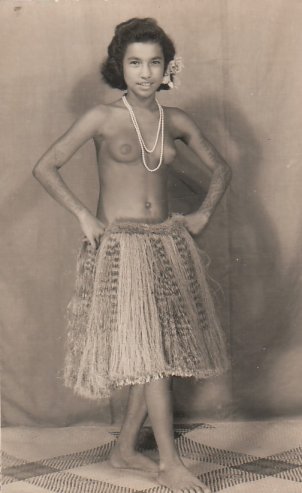
(This above photo was added Tuesday morning, 11am, January 19, 2021)
— Tim
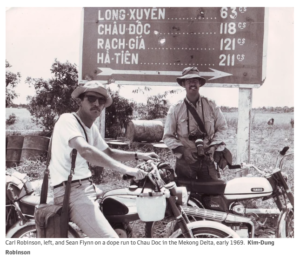
Former Vietnam War journalist Carl Robinson, a close friend of Sean Flynn, writes his recollections of time spent with both Sean and John Steinbeck’s son, also a journalist, in Vietnam.
‘The Bite of the Lotus: an intimate memoir of the Vietnam War’ by Carl Robinson. Published by Wilkinson Publishing. An American, Carl Robinson settled in Australia in 1978 with his Vietnamese wife Kim-Dung. An extract was published in The Australian Financial Review … makes for a great read … linked here:
www.afr.com…
And an interview with Carl about the book from the ABC Radio National (Australian Broadcasting Commission) with the inimitable Philip Adams: www.abc.net…
— Philip
The Twelfth Day of Christmas, 1939
Harrison Carroll
LA Evening Herald Express
Those who saw Errol Flynn knock out polo player Alden Roar should have seen him yesterday — talking for six minutes in stumbling French to a sick youngster in a Zurich sanitarium. It gave quite a different slant on the Irish star ….. Easy to picture, too, the thrill of the 12-year old girl at the other end of the line. Her name is Xenia Thorn and she has been in the Swiss sanitarium for two years, victim of a lingering illness.
About a month ago, Kelly Anthony, head of the hospital, wrote Flynn about the girl….saying Flynn was her idol and asking the star to arrange some time after the holidays to make the call. Enclosed was a check to pay for three minutes. Flynn doubled the time, paid the rest himself.
…
I don’t know the name of the sanitarium, only that it was in Zurich, in 1938. Perhaps Trolley No. 55 passes by it during its zipping around Zurich is this film clip from 1938:
…
— Tim
On December 30, 1959 ……
Professor Flynn gave to the world: My Son, Errol!
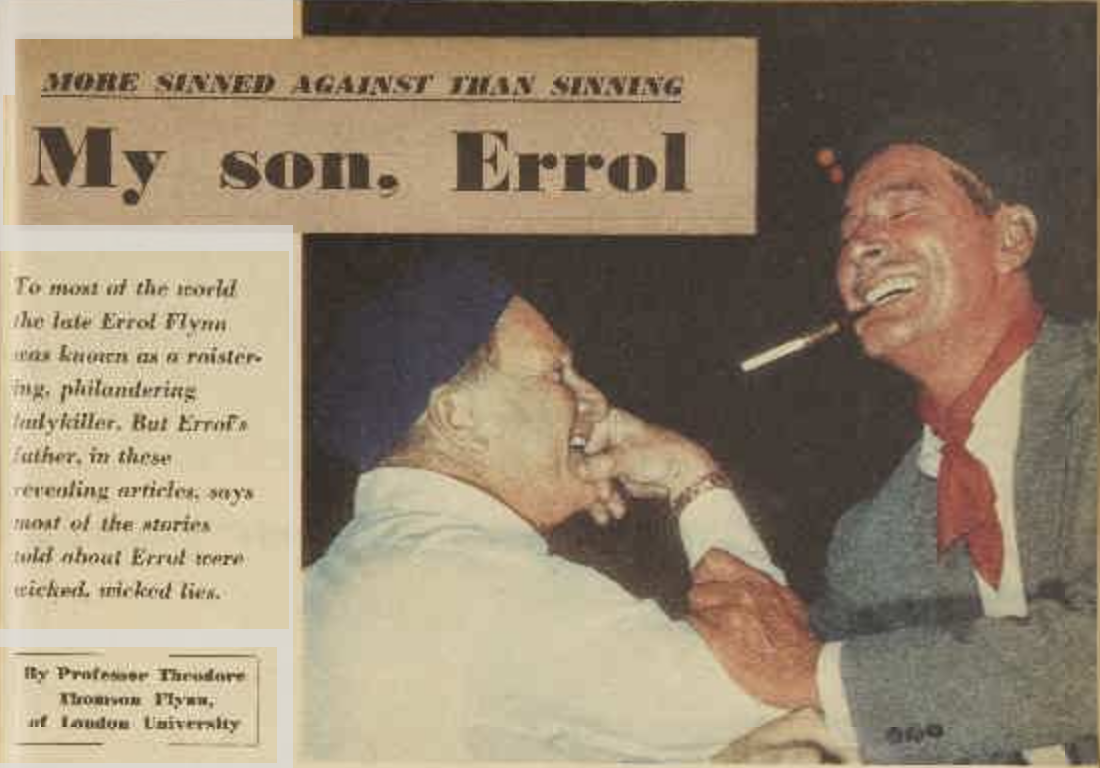
DASHING, swashbuckling Errol Flynn as he appeared with Eddie Albert in the film “TheSun Also Rises.” It was Errol’s charm, his father says, which got him into trouble. To most of the world the late Errol Flynn was known as a roistering, philandering lady-killer. But Errol’s father, in these revealing articles, says most of the stories about Errol were wicked, wicked lies.
By Professor Theodore Thomson Flynn, of London University
_
I was sitting in the lounge of Errol’s fabulous Hollywood mansion when two attractive girls told my son they would like to try the swimming-pool. Slip into your bathing-costumes in there, Errol said, nodding towards an ante-room. A few minutes later one of the girls walked past us without stitch on and without a blush. Her excuse was that she had left her swimsuit in the porch verandah. I was flabbergasted.
That girl was quite normal by Hollywood standards. She was only one of many girls who threw themselves at Errol. But she opened my eyes to the fantastic world in which Errol was living and the terrible temptations he was constantly facing.
Most of the stories published since my son’s death are wicked, wicked lies. He was more sinned against than sinning. That is why I welcome this opportunity to tell the real truth about Errol. His reputation as a lady-killer was built up deliberately it the beginning by studio publicity. Then the scandalmongers took over and every incident, true or false, involving a girl was magnified beyond proportion.
In 1939, when Errol was married to his first wife, Lili Damita, I took my wife and our little girl Rosemary to Hollywood. Errol had to make some public appearances in various towns in connection with a film and he took Rosemary along for the fun of it.
I could hardly believe my eyes when I read in a newspaper, “Errol Flynn has been staying at a hotel with a 15 year-old girl whom he says is his sister.”
I knew my son better than any man or woman in the world. He was good, brave, and generous. Why, then, did he make such terrible confessions in his own life story, now being printed posthumously?
First, let me say that neither my wife nor I have read a word of that story but our daughter has read it and has been appalled.
What the public does not know is that for the past two years Errol knew that he was going to die. He never told us, but two doctors warned my wife that his heart was bad and to expect the worst. It seems almost as if Errol set out deliberately to destroy himself in these last two years. He changed completely. He was too brave to sit at home and mope. He stepped up the pace of his living. But he was not himself.
Yet 99 per cent, of the scandals in which he was involved were wished upon him. He was the innocent victim of his own harm.
My wife had an embarrassing experience one day in Hollywood through one of the young harpies who pursued Errol wherever he went. He was holding her arm as they strolled down Sunset Boulevard. Suddenly a young blond girl in a sheath-like dress, appeared from nowhere, threw Errol’s mother across the pavement, and linked her arm in Errol’s.
“Don’t waste yourself on old timers, darling,” she cooed. “Come up to my place. I have a wonderful show there. You won’t be disappointed.” Errol frowned and pushed her away, then took his mother’s arm again. The blond hussy stalked off, swearing to herself.
Errol’s love for his parents ran like a golden thread through his all-too-short life. He telephoned his mother only a few days before his death. Though he must have known that the end was near, he chatted away cheerily and sent his love to us both and to Rosemary. Not long before he died he was fixing up his fabulous house, Castle Comfort, standing in four estates comprising 4000 acres, in Jamaica, so that we could all be together again as we were in Hobart, Tasmania, where Errol was born on January 20, 1909. He was a happy, sunny little fellow, always getting into boyish scrapes.
Once he dashed away from his nursemaid on his tiny bicycle, scattering crowds on the busy street, shouting: “Get out of my way,” with the nurse in hot pursuit.
At four years old, he had his first “girl trouble” when he was invited to a children’s party at the home of the Bishop of Tasmania. Soon after he had gone, my wife received a phone call from the bishop’s wife. She said, “I am terribly sorry, Mrs. Flynn, but I will have to send your little boy home. We left him in the garden for a moment and he has tipped all the little girls into the ornamental fountain.”
Another time he ran away and was missing tor three days. We were frantic because a boat had just left Tasmania for Sydney and we thought he might be on it. But he had gone to the other side of a mountain near our home and asked for a job in a dairy. He told them, ‘”You only need to pay me five shillings a week, I never intend to marry.”
As he grew up everybody fell for him. He became a terrific athlete. He was passionately fond of fishing and swimming and was a superlative tennis player. He tried boxing, too, but it was more or less forced on him.
I had just bought him a boat, Sirocco, and he sailed her with four other lads to New Guinea, nearly 2000 miles awaOn the way they ran short of food and oil and they had no money to pay for more. Undismayed, Errol put into a small port and the five lads went ashore to try to raise some cash. Outside a boxing booth at a travelling fair a gorilla of a man called Battling Bilson was offering five pounds to anyone who would stand up to him for three rounds.
Errol’s companions looked at each other, then at Errol, who at six foot two stood head and shoulders above them. He ducked under the ropes. A cheer went up from some hoboes who had gathered round when Errol, stripped to his underpants, started a slogging match with the professional. Errol told me later, “I got the five pounds and we bought food, but I’d taken so many punches on the chin that I wasn’t able to eat for a week.”‘
I left my post as Professor of Zoology at Hobart for an appointment in Belfast. In the early ‘thirties, after the stock exchange slump when countless people lost fortunes, Errol joined us, having been forced to give up a tobacco and coconut plantation he had been running. He brought lovely presents to his mother and me. He had worked his way round the world from New Guinea, via Saigon, Singapore, Rangoon, Calcutta, Bombay, over to Cairo, and through the Mediterranean.
In Alexandria he landed in jail. He had been sitting in a cafe wearing his only clothes, a shirt and shorts, when a too inquisitive Egyptian policeman leaned over and pulled out hairs from the calves of his legs.
Errol was furious and said, “If you do that again you will taste my fist.” The man did it again. Errol spent two days in gaol for obstructing the police.
Errol had played in his first film before he joined us in Belfast. Australian director Charles Chauvel was impressed with Errol’s looks and had him play the role of Fletcher Christian in “In the Wake of the Bounty,” which was filmed in Sydney in 1932.
Life in Belfast was too quiet for Errol, by now an extremely handsome man in his early twenties. He went over to England and became theatre critic for a newspaper in Northampton. One day a player in the Northampton Repertory Company fell ill and Errol offered to take over his part. He had the satisfying job of writing his own critiques, and praised himself enormously. Soon after, Errol took part in a London show which flopped after two weeks. He became depressed until his mother suggested, “Why not
try films?” He did.
I drove him to Warner Brothers’studios at Teddington in a new Daimler I had bought. He was given a screen test.
He’s the goods>
When the casting director saw the results he rushed, breathless, to the managing director and gasped: “This guy Flynn . . .” “Another dud, I suppose,”” yawned the managing director. “Oh, no. This guy Flynn is the goods, Grab him quick.”
I was already on my way back to Belfast with Mrs. Flynn. Awaiting us was a telegram. “Selected by Warner Brothers and off to Hollywood next week. Love, Errol.”
Alas, they left Errol idle in the celluloid city. He wrote to me: “Dear Dad, They have put me in the Beverly Wiltshire Hotel. I am doing nothing.”
Yet he was marvelous to look at. They all said he was the most handsome man they had ever had in Hollywood.And his manners were perfect.
Inevitably, I suppose, women were attracted to him – often women of the worst type.They simply could not leave him alone.
One night when we were in Hollywood Errol took us to a party at David Niven’s house. They were joking about a conquest Errol was supposed to have made, but, in actual fact, Errol could not stand the lady in question. Errol left us and went home, but he, was back in no time looking white-faced and worried. He had found the lady we had been talking about occupying his bed. When he told her to get up and get out she refused. He then said, “I will put you out.” “If you try,” she said, “I will scream and say you have assaulted me.” Errol took the sensible course of leaving her and stayed with us that night.
The trouble is that pretty girls in small hometowns all over America are told by friends, and sometimes relatives, that they ought to be in pictures. They go to Hollywood, where they find glamor-girls are two a penny. Then they will do anything to get publicity-even forcing their way into a star’s bedroom. I once attended a cocktail party given by Errol at a New York hotel when a “film executive” brought in a little girl who could have been only 12 or 13 and looked a South American type. He tried to foist her on Errol all evening, but of course Errol would have nothing to do with her.
In the notorious court case when my son was charged with statutory rape, the girl afterwards admitted it was a put-up job and was sent to a mental home. But not all the women in Errol’s life were bad. His three wives – Lili Damita, Nora Eddington, and Patrice Wymore, all of whom have borne him children, were all nice girls. My wife and I know them well and are still friendly with all three. But when Beverly Aadland appeared on the scene, we moved out. It was the only time we felt apart from Errol. But let it never be forgotten that by that time he was no longer himself. My wife asked him what was making him unhappy and added, “I can only pray for you.'” But he would not tell he was too brave to allow us to share his burden. We knew he had been rejected for the United States Army because of his heart. We knew only too well.
Daring party
In 1951 Errol did one of the most daring things of his daredevil life. He invited his three wives to a party. What happened there shook me to the core. Hollywood, of course, is famous for its fabulous parties. But what film idol, other than Errol, would have dared to bring even one ex-wife, let alone two, to a party at which his newest wife was hostess?
I shall never forget that astonishing night. The setting was classic. A mansion looking down on the San Fernando Valley, with the customary appendages – swimming-pool, stables, tennis courts, and five cars.
But inside the house the set-up was dynamite. The two ex-wives – the stormy French girl Lili Damita and the fiery redhead Nora Eddington – were a startling contrast to the reigning wife, Patrice Wymore. My wife whispered to me that she felt sorry for Pat, who was so much younger and less sophisticated than the two ex-wives. To make things more difficult for Pat, her immediate predecessor, Nora Eddington, had previously ruled over the enormous establishment of which Pat was now mistress.
Things went smoothly for a while. There were no unseemly incidents, although Patrice did not seem particularly happy. A sensitive girl,
her feelings will be readily appreciated by most wives outside Hollywood. In the middle of the party my eyes nearly popped out of my head in disbelief when I saw Errol nonchalantly take the lovely redhead Nora on on his knee while his present wife, Pat Wymore, looked on. This was too much for me. I strode forward and said sharply to my ex-daughter-in-law, “This is no way to act: Get off at once and behave yourself.”
The guests watched with interest. What would Nora do? What would Pat do?
The atmosphere was electric.
Nora looked at me.
She must have sensed I was in earnest. She climbed off Errol’s knee rather shame-facedly and went to another corner of the room. Every-
body breathed again and the party chit-chat was resumed.
True buccaneer
Why did Errol stage this amazing party? Well, it was a spur-of-the-moment decision and it was typical of my son’s contempt for convention. He was born out of his century. He would have been, a true buccaneer in Elizabethan times. The party was one example of how he delighted in flouting conventions – in public, if possible. He was a warm, open-hearted person, with no deceit in his make-up. He said and did what he thought and the devil take the consequences. In spite of this he was a true gentleman.
As was perhaps inevitable, Errol’s three wives all tried to tame him and none succeeded. What he needed was a helpmate who would always be at hand to give him sound, down-to-earth advice, and even, when the occasion demanded, criticism. He did not get this and his marriages failed. Yet each of these three women had a profound effect in moulding his personality.
Errol was not much over 20 when he married Lili Damita, who was older in years and experience, When my wife and I met Lili just before the war, we liked her, but it soon became plain she had little in common with our son. Although Errol was working almost to physical exhaustion at this time, Lili, no doubt proud of being married to the most handsome man in the world, insisted on parading him around Hollywood’s night clubs and restaurants. When I visited Errol I was shocked to see him so desperately tired.
Errol’s first marriage broke up in 1943. Their son, Sean now in his late teens, is at high school in America. We love him dearly. He reminds us of Errol in his youth.
Near the end of the war Nora Eddington fell in love with Errol. So that she could see him every day she took a job in a tobacco kiosk that he used regularly. When I first met her after the war she was already installed as the second Mrs. Flynn in the Hollywood mansion and living in lavish style.
Nora was a mother’s girl. Although the £120,000 mansion had its full quota of flunkeys, she brought along her own mother as housekeeper.
I was appalled to find the house thronged with hangers on who were battening on my boy.
All this was very upsetting and at last it led to the break-up of marriage number two.
Nora, mother of Errol’s two children Rory and Deidre, is now married to Dick Haymes. When Pat Wymore took over, she was bewildered by the horde of strangers who would demand a bed or the loan of a car or a horse. She came to my wife for advice. “Get rid of these scroungers,”- counselled the elder Mrs. Flynn. Pat did.
NEXT WEEK: “Errol was the victim of those around him.” (Part 2 of 2)
— Tim
December 20, 2008
The Hollywood Immortals Who were Made by Blood
Flynn, De Havilland, Korngold
Errol Flynn: His sword carved his name across the continents – and his glory across the seas!
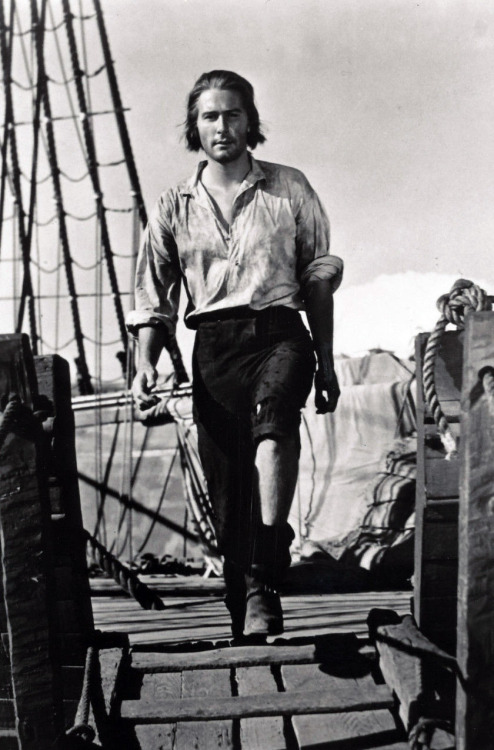
Flynn had only moderate acting experience. His roles in the four films he made since 1933 were small and somewhat unimpressive. Who remembers him as Fletcher Christian, for example. But he improved so rapidly in Blood that many early scenes were reshot. In fact, he ends up being quite good on screen, giving the impression of understanding his role, approaching his part, maybe, with the care of a Shakespearean actor. It’s a common appraisal but true: besides being able to flourish a sword better than anyone before or since, Flynn wore period clothes with style, as if he had stepped out of the past, or, as some have said, belonged there.
He spoke the convoluted lines naturally and with conviction. Not easy. The stilted quaintness and archaisms of the dialogue are largely retained from Rafael Sabatini’s 1922 novel, thanks to Casey Robinson’s screenplay. Yes, the words have a certain fascination because they are so quaint, so different from normal usage and seem to fit imagined 17th-century speech: “Faith, yes, I don’t doubt it. You’ve the looks and manners of a hangman.” “It’s entirely innocent I am.” “Bedad, we’ll have a crew yet!” “ … while I, who hate this pestilential island—well, such are the quirks of circumstance.” —All lines delivered by Flynn!
Olivia de Havilland: Her talent, beauty and charisma were resplendent
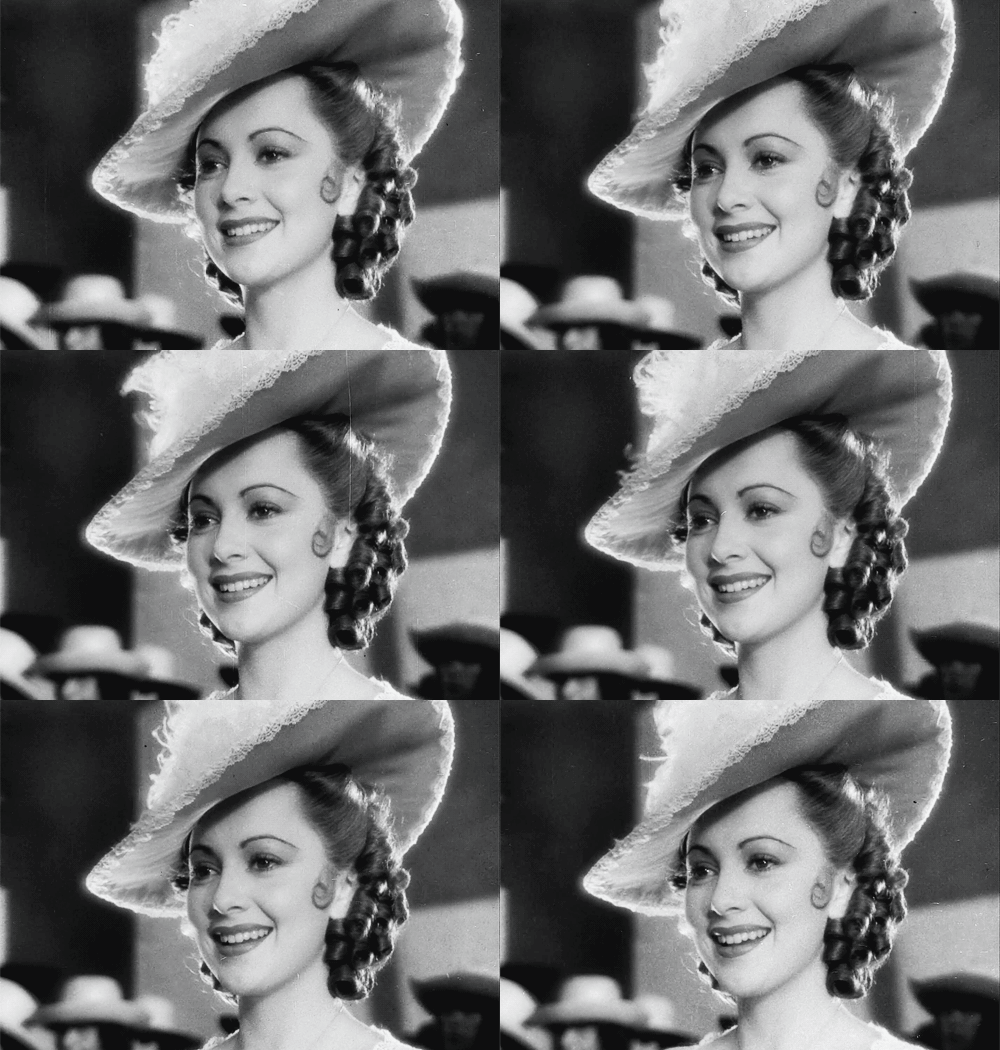
As for Olivia de Havilland, who had made only one previous film, A Midsummer Night’s Dream earlier that year, Blood offered a much larger role. Her girlish and virginal persona would endure essentially unchanged in the seven subsequent films she made with Flynn, and the two would become one of Hollywood’s great romantic screen couples, á la Tracy and Hepburn, Bogart and Bacall. The charisma between the two, immediately evident in Blood, persists resplendently in all their films.
Erich Korngold: His film scoring changed everything
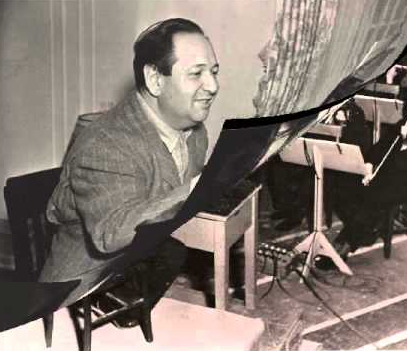
A Viennese composer of operas and chamber music, once a child prodigy, Korngold had worked with de Havilland on the Shakespeare movie arranging Mendelssohn’s music. Warner Bros. was so impressed they asked him to write an original score for a “little” movie they had just finished. Korngold, without seeing Blood, said no, but after WB’s insistence and a private screening, he was so moved by the film’s charm and humor* that he agreed to write the music.
The humor that so impressed Korngold runs throughout the film. A recurring joke is Governor Steed’s (George Hassell) bout with the gout. Following a slave branding, the next shot shows the governor in a close-up. “What a cruel shame,” he says, “that any man is made to suffer so.”
What Korngold didn’t know—what WB had failed to tell him—was that he had only three weeks.
With time running out, he borrowed parts of two Franz Liszt tone poems, Mazeppa and Prometheus, to support the noisy battle scenes, interspersed with previous Korngold music from the film. While movie composers today appropriate the classics as their own, usually without acknowledgment, Korngold insisted his main title credit read “Arrangements by Erich Wolfgang Korngold.” This automatically disqualified Blood for nomination as Best Score, which it surely would have received; the composer would win the next year for Anthony Adverse.
Korngold had a large part—a very large part—in the overwhelming success of Captain Blood. A contemporary equivalent would be John Williams’ impact with Jaws (1975) or, even more so, the first of the Star Wars films (1977), which, in fact, is an obvious homage to the Korngoldian style—the lyrical, richly orchestrated, heart-on-sleeve ardor of 19th-century music.
Audiences who first heard Blood were astounded. They had never heard such music, not even compared with Max Steiner’s ground breaking King Kong (1933). The orchestra which recorded the music to film, the studio heads who saw the completed movie before release and the public which attended the country’s theaters—none of them had ever heard such music from a motion picture—a large orchestra by studio standards, complicated orchestration, big, luscious sound, dramatic music that perfectly underpinned the screen. Blood remains a milestone in film scoring, and Korngold would contribute to six more Flynn films.
Blood and his crew setting sail from Port Royal is one of the most lingering images in the film. He and Arabella exchange forlorn glances, he from the ship, she from shore, captured in multiple dissolves and supported by Korngold’s swelling music, horns echoing at the conclusion. (The scene, by the way, is replicated in The Sea Hawk [1940], Korngold and Flynn in tandem, only with Brenda Marshall as a pale stand-in for Olivia.) Later, before the final sea battle, when Arabella is put ashore in a longboat, there’s a reprise of that first separation, the two again staring after each other, if not to swelling, then certainly to lushly romantic music—horns again prominent.
Most critics say that as early as Anthony Adverse and The Adventures of Robin Hood (1938) Korngold began experimenting with pitching the key of the music just beneath the actors’ voices. It began, actually, with Blood, if not sooner. Perhaps the best example, in any of his film scores, of how he unifies music with the screen image is the pillory scene between Blood and Jeremy Pitt (Ross Alexander), how the music—the second theme—changes in ambience, orchestration and volume, according to the emotions of the two men. Likewise, in the final love scene (“Whom else would I love?” Arabella asks), the music hesitates, softens, speeds up, becomes richer or changes in instrumentation, even disappears at one point, based on the tempo and emotion of the dialogue.
Thank you, Maestro Korngold, for this and all the your magnificent film scores. Your reward: The new career that save your life and the lives of your family.
.
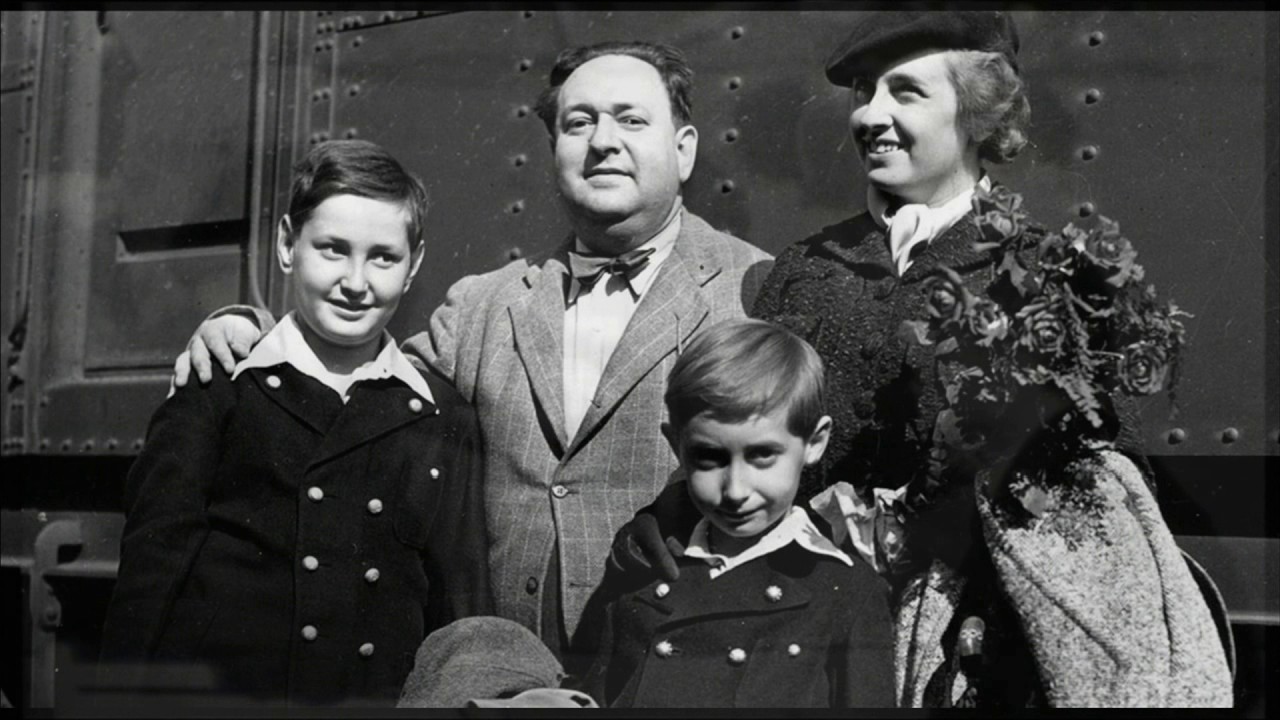
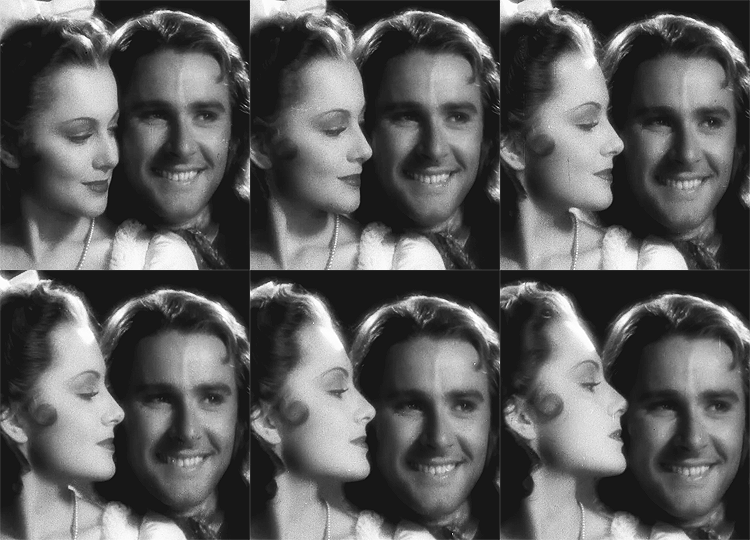
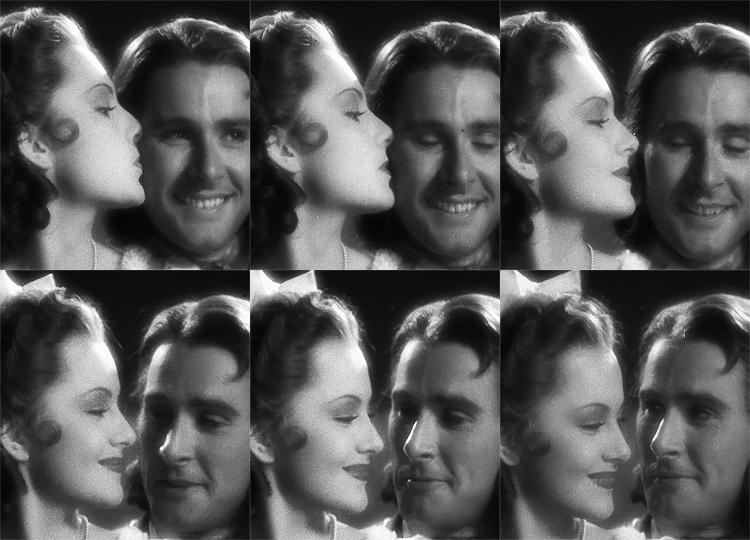
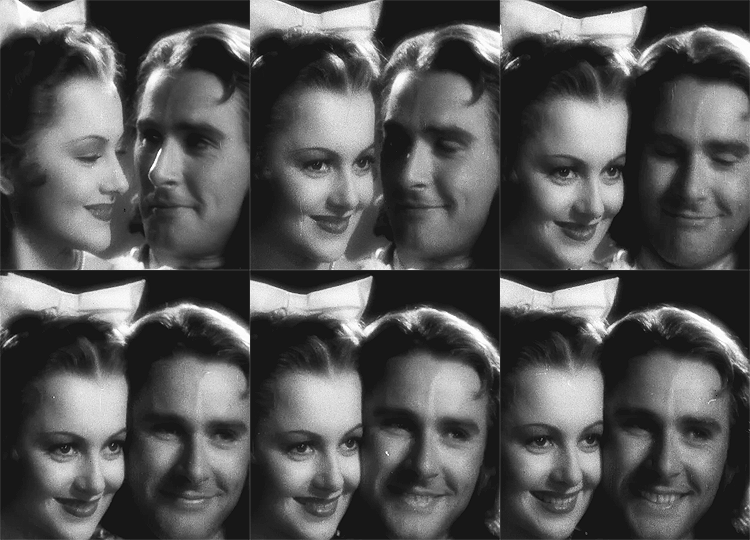
And thank you, Errolivia, for the greatest swashbuckler and for being the most romantic co-stars in the history of Hollywood. Your reward: This kiss:
— Tim
November 30, 1934
Jimmy Starr
Evening Herald Examiner
Irving Asher, Warners’ London laddie in charge of the foreign studio, played “Columbus” and discovered a handsome Irish chap by the name of Errol Flynn. The young newcomer proved himself in Murder in Monte Carlo. Asher figured Flynn had a better chance in Hollywood, and sent him to Jack Warner, who took a quick look at the English-made movie, snapped a contract under Flynn’s nose and gave him one of the featured leads with Kay Francis in A Present from Margate, her next film following the current Living on Velvet. Mr. Flynn, it seems has made quite an impression — and good leading men are scarce, you know.
…
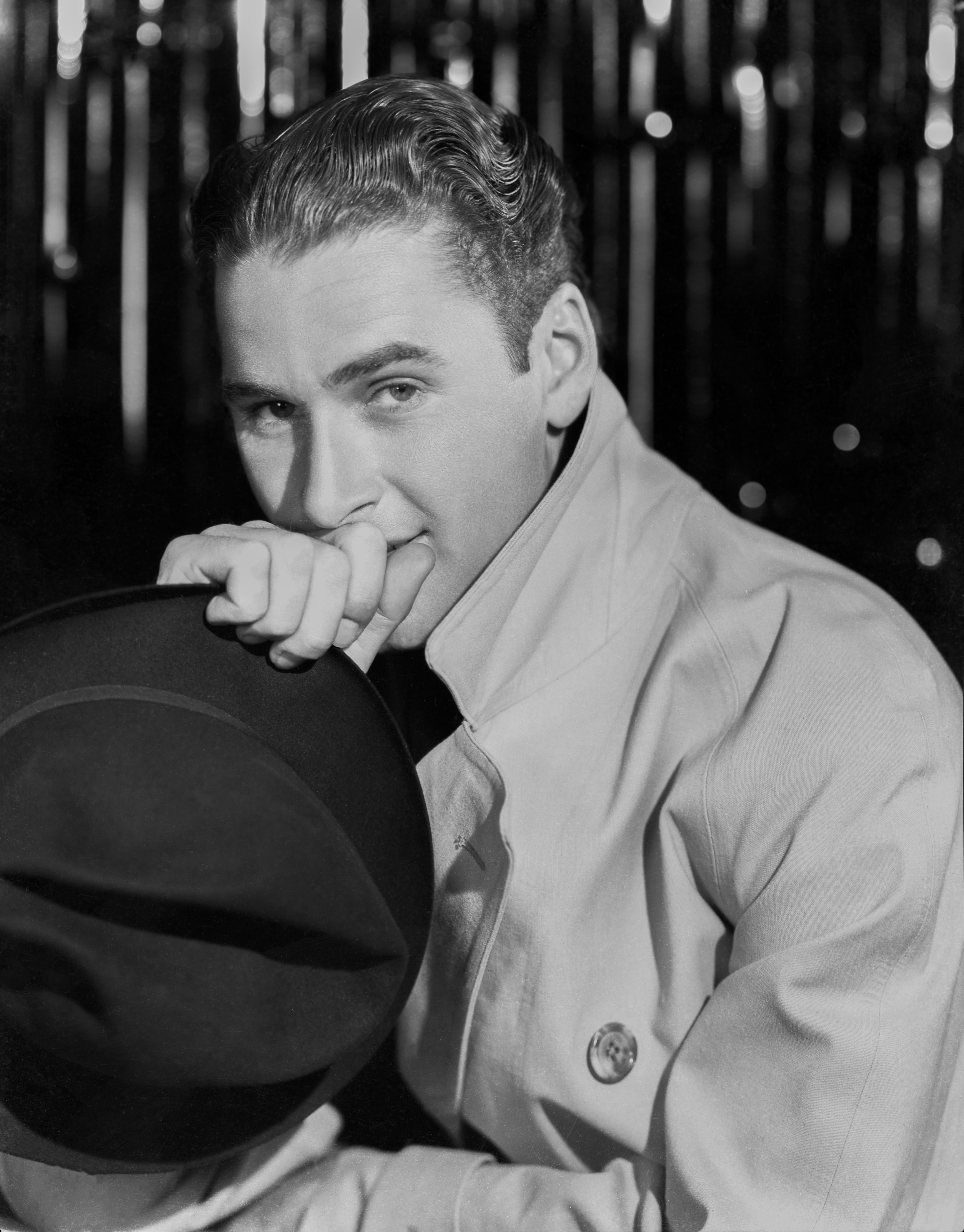
Here’s Errol in 1934:
…
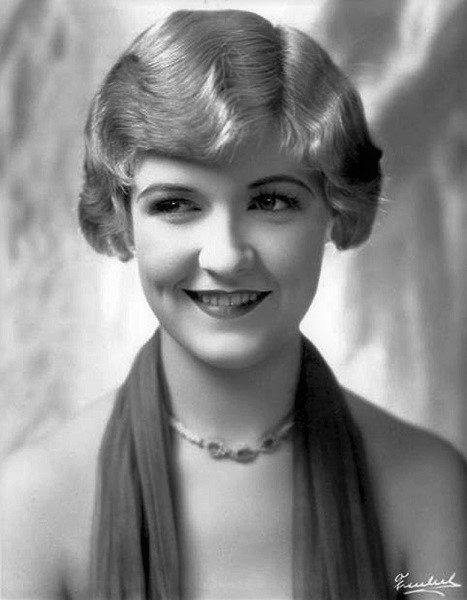
Irving Asher, an American, actually landed two great stars that year – the other being the lovely Laura La Plante ~ the Doris Day of her day ~ as his wife!
…
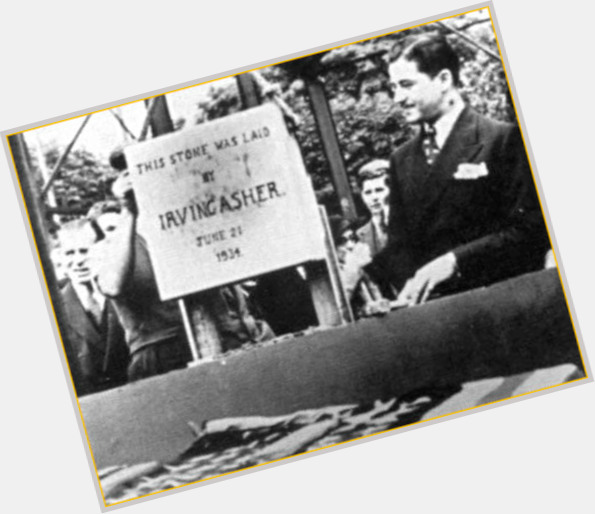
It was a big year for Irving! He also laid this stone:
— Tim
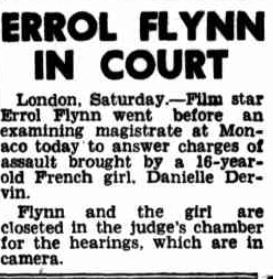
Oui Oui? Ou Non Non?
November 25, 1950
The Mail – Adelaide, South Australia
…
November 14, 1950
The Argus – Melbourne, Victoria
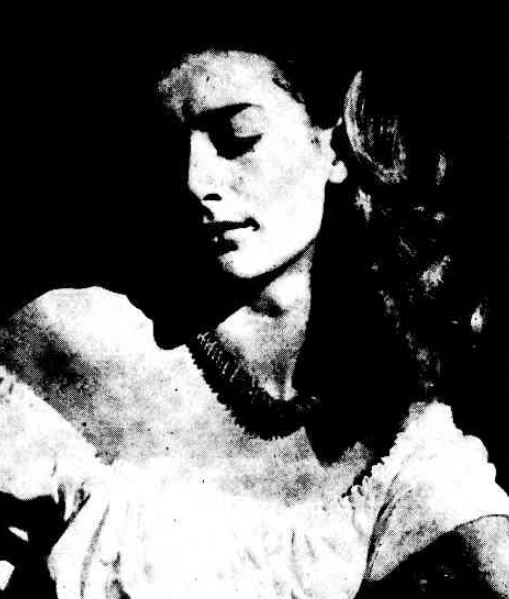
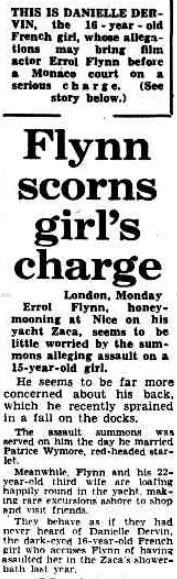
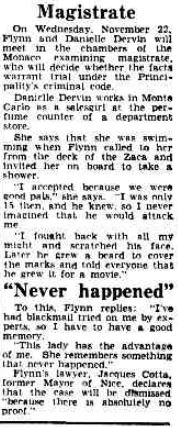
* Danielle Dervin may not have been her true name. Her true name may have been Danielle Duvivier.
— Tim