The Mail Bag brings us a most unusual film Review by Ralph Schiller, Errol Flynn’s Ghost film, Hello God …
Film Review by Ralph Schiller
Hello God (1951) was produced by William Marshall Productions. It was filmed in black & white with a running time of 64 minutes. It was written, produced, and directed by William Marshall.
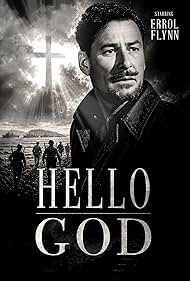
British statesman Winston Churchill once said of Russia “a riddle, wrapped in a mystery, inside an enigma”. His eloquent words could describe Hello God, Errol Flynn’s “Ghost film”, unseen for seventy-five years.
From 1933 until his death in 1959, Flynn made fifty-five
The strange story of Hello God begins in 1950.
After fifteen years in Hollywood, Errol Flynn was still under contract to Warner Brothers, starring in one swashbuckler and adventure film after another. Flynn’s renewed contract allowed him to make one film per-year, outside the Warner lot for a major studio. Errol Flynn was twice loaned-out toMetro-Goldwyn-Mayer to co-
As producer and director, Marshall signed Errol Flynn to a multi-picture contract on February 18, 1950, which is documented by Robert Florczak’s book Errol Flynn, The Illustrated Life Chronology (2022, Lyons Press). Flynn would receive $2700.00 per day with a ten-day guarantee and half ownership of their first film. Marshall, a World War II combat veteran, handed Flynn his screenplay with the working title Before You Sleep. Errol Flynn was intrigued.
According to all sources, the retitled Hello God, stars Errol Flynn as the ghost of a dead American soldier on Anzio Beach. He pleads for peace while introducing the stories of four American G.I.’s killed during the World War II invasion at Anzio. The soldiers approach heaven and ask to be admitted even though they died before their lives on Earth were completed.
In 1968, a washed-up William Marshall published a thinly-disguised novel, The Deal (Bartholomew House Ltd.) in which he exposed the underside of Hollywood, his ex-wives, and especially Errol Flynn!
In the book, Marshall’s film director character Jarnigan pu
Some film sources incorrectly state that Errol Flynn shot his scenes for Hello God in Italy shortly after completing location shooting i
Close-ups were shot in a film studio. Flynn was simultaneously filming Kim
Errol Flynn never made it to 1961 but he would have been delighted with Sherry Jackson’s beauty and successful Hollywood career.
All sources verify after Hello God was completed, Errol Flynn feared starring in an anti-war movie during the Korean War would damage his reputation with the public. Flynn had his friend Charles Gross retrieve from the film lab the print and negative of Hello God. Flynn was convinced Jack L. Warner would tear up his studi
Although William Marshall was furious, he recreated the film using out-takes and leftover footage. Flynn sued Marshall to prevent the film’s release and Marshall countersued. According to James Robert Parish’s and Don E. Stanke’s book, The Swashbucklers (1976, Arlington House Pub.), the lawsuits kept Hello God out of U.S. movie theaters until 1958 when it was released by Cavalcade Pictures (distributor of foreign, exploitation films).
There is no evidence whatsoever of an American release of Hello God, not even movie art (posters, lobby cards, and lobby stills, etc.). Michael Freeland’s book The Two Lives Of Errol Flynn (1978, William Morrow And Co.) states Helo God never played anywhere “apart from a few sporadic showings in Europe.” Wikipedia quotes William Marshall, “Flynn doesn’t look his best in some of the rejected shots but we’ll have to use them unless this man coughs up the good ones. I like Flynn as well as anybody, but in business he’s pretty difficult. Somebody must be giving him bad advice … Everybody who has seen it says it’s a wonderful picture and Flynn does things in it he has never done before. He prays to God and he cries on the beach at Anzio.”
Errol Flynn’s manager Al Blum responded, “He (Marshall)
In spite of the bitter acrimony between them, Errol Flynn and William Marshall worked together again
Errol Flynn never returned the prints and negative of Hello God to William Marshall, and may have destroyed them altogether. Marshall stored the prints, out-takes and negative for his version of Hello God at a Los Angeles film storage company. In 1966 with Marshall’s rental fees in arrears, the company sent a formal collection letter to Mrs. William Marshall (Hollywood movie star Ginger Rogers) asking for payment. They warned if the fees were not paid, the company would discard the film elements. Ginger Rogers and William Marshall were then estranged, headed for divorce. Rogers had no intention of paying his debts. In her autobiography Ginger, My Story (1991, Harper Collins), she wrote of William Marshall with great disdain and contempt, more than any other of her many ex-husbands.
In 1963, Marshall somehow persuade
For all practical purposes, this was the end if the trail for Hello God. Errol Flynn’s wish came true; no one ever saw it. Then in 2013, a copy of Hello God was discovered in poor condition and sent to the George Eastman House & Museum in Rochester, New York for possible restoration. Wikipedia claimed the print was discovered buried in the basement evidence room of the New York Surrogate Court!
The Moving Image Dept. of the George Eastman House & Museum said their copy of Hello God was from the Errol Flynn Estates. Either way, the film was terribly deteriorated and Eastman House was only able to restore
The author viewed the footage of Hello God at the George Eastman House & Museum.
The first of two reels begin with the trademark logo of William Marshall Productions, and opening credits. After a poetic scroll about the futility of war, it fades to Anzio Beach at night, and dissolves to daytime with Errol Flynn (dressed head-to-toe in black, sporting his well-coiffed, Van Dyke beard from Kim) in longshot walking along the beach. Without a soundtrack, it cannot be determined if either William Marshall or Errol Flynn narrates.
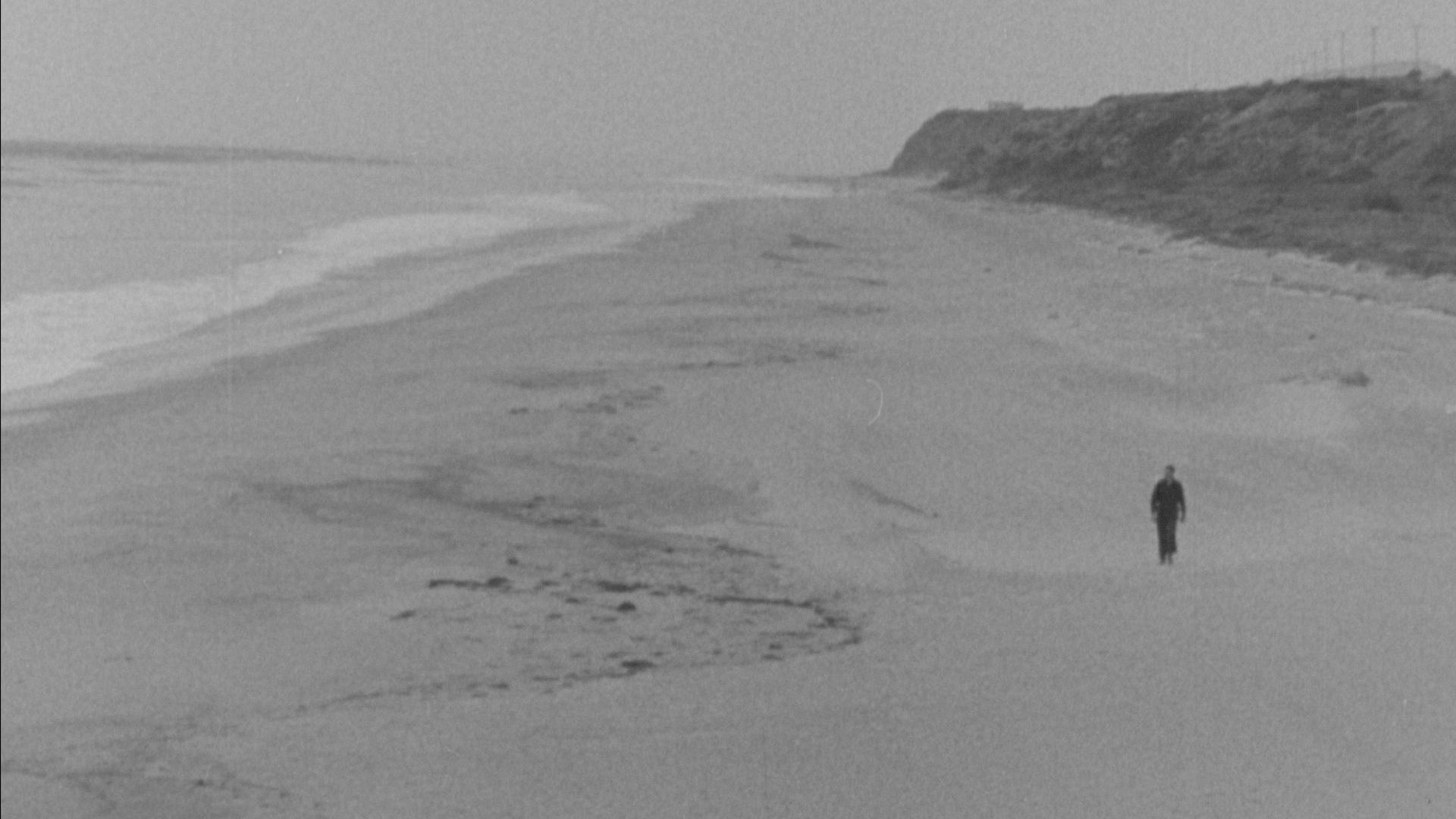
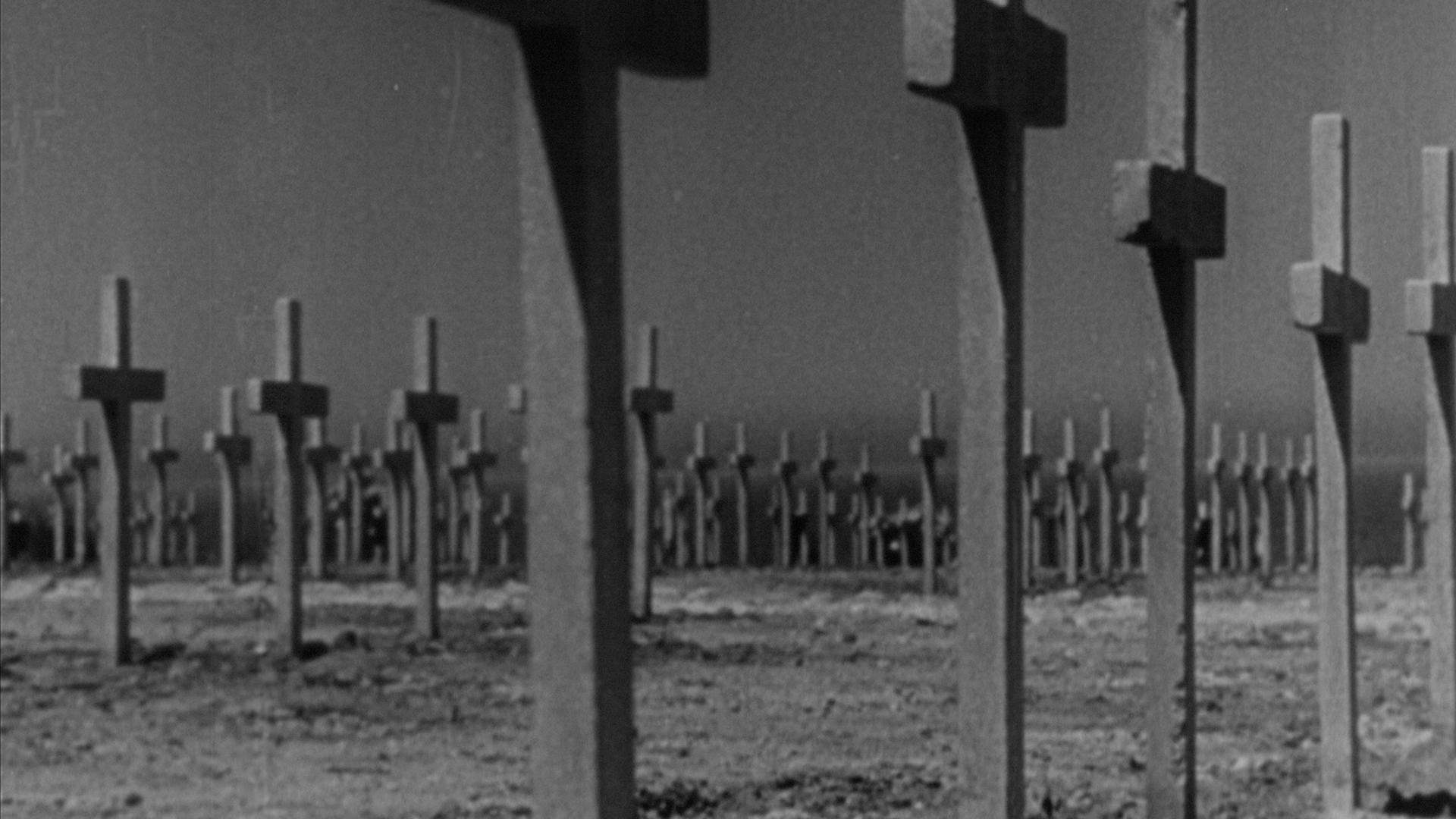
He walks through a cemetery filled with crosses of World War II soldiers killed at Anzio.
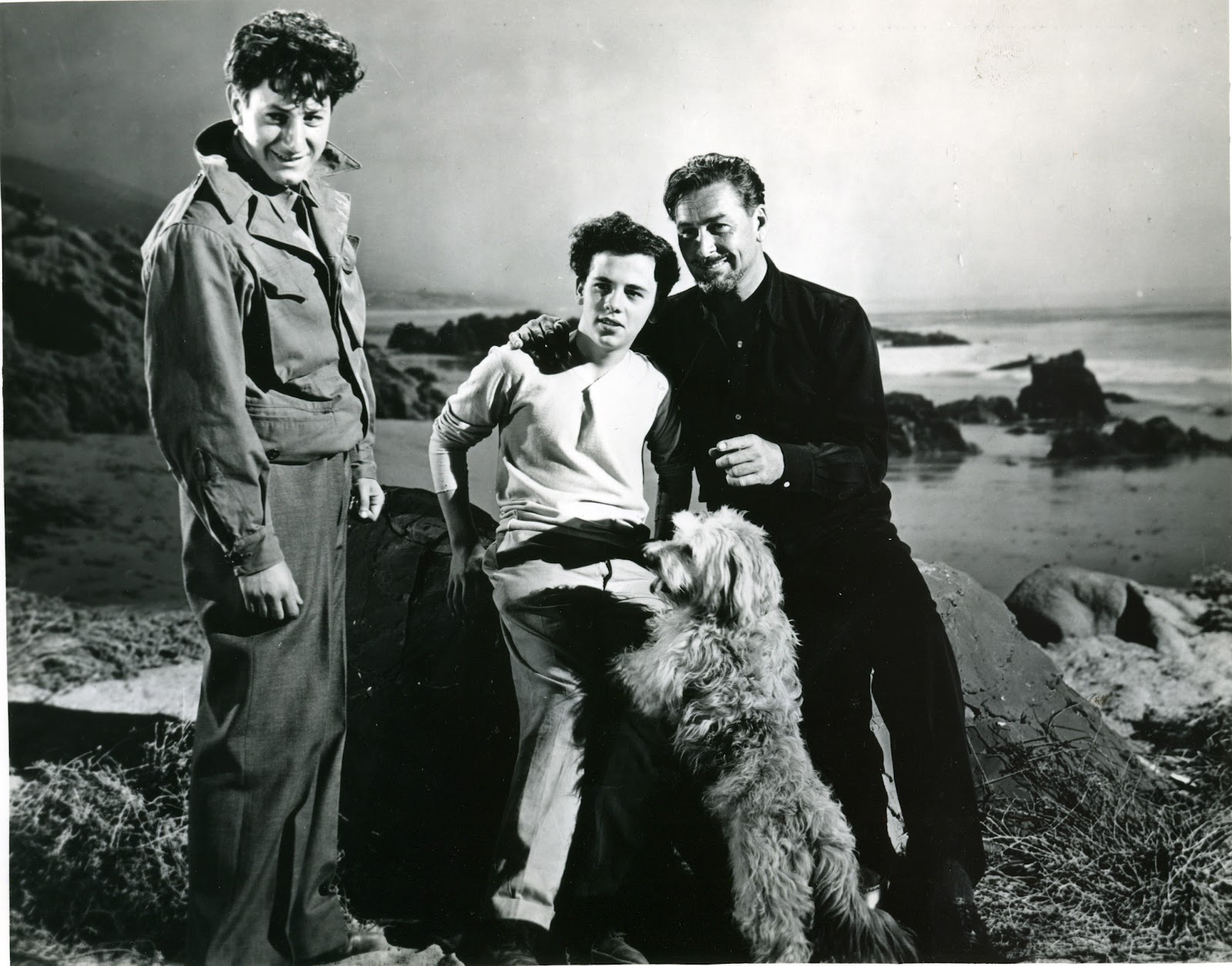
He sits on a large rock near the beach where he is joined by two adolescent boys (Joe Mazzuca and Armando Formica, American actors despite their surnames) and a sheepdog. Flynn cheerfully greets them and plays with their lovable dog.
The boys leave with their canine pal and an adorable, little Italian girl (Sherry Jackson) approaches Flynn. To her great astonishment, Flynn’s character stands up, clicks his heels, and gallantly kisses her hand like Robin Hood!
The happy little girl leaves and the boys return without their dog. Flynn asks about their dog and gets the boys to laugh. The boys leave and Flynn, in close-up, speaks directly to the audience as he introduces the stories of the dead soldiers. Even without sound, Errol Flynn emotes great sincerity and empathy for the brave soldiers, often looking up towards heaven. At one point, he takes out a dead soldier’s wallet and begins telling his story but after a montage of endless crosses in the military cemetery, the film abruptly runs out.
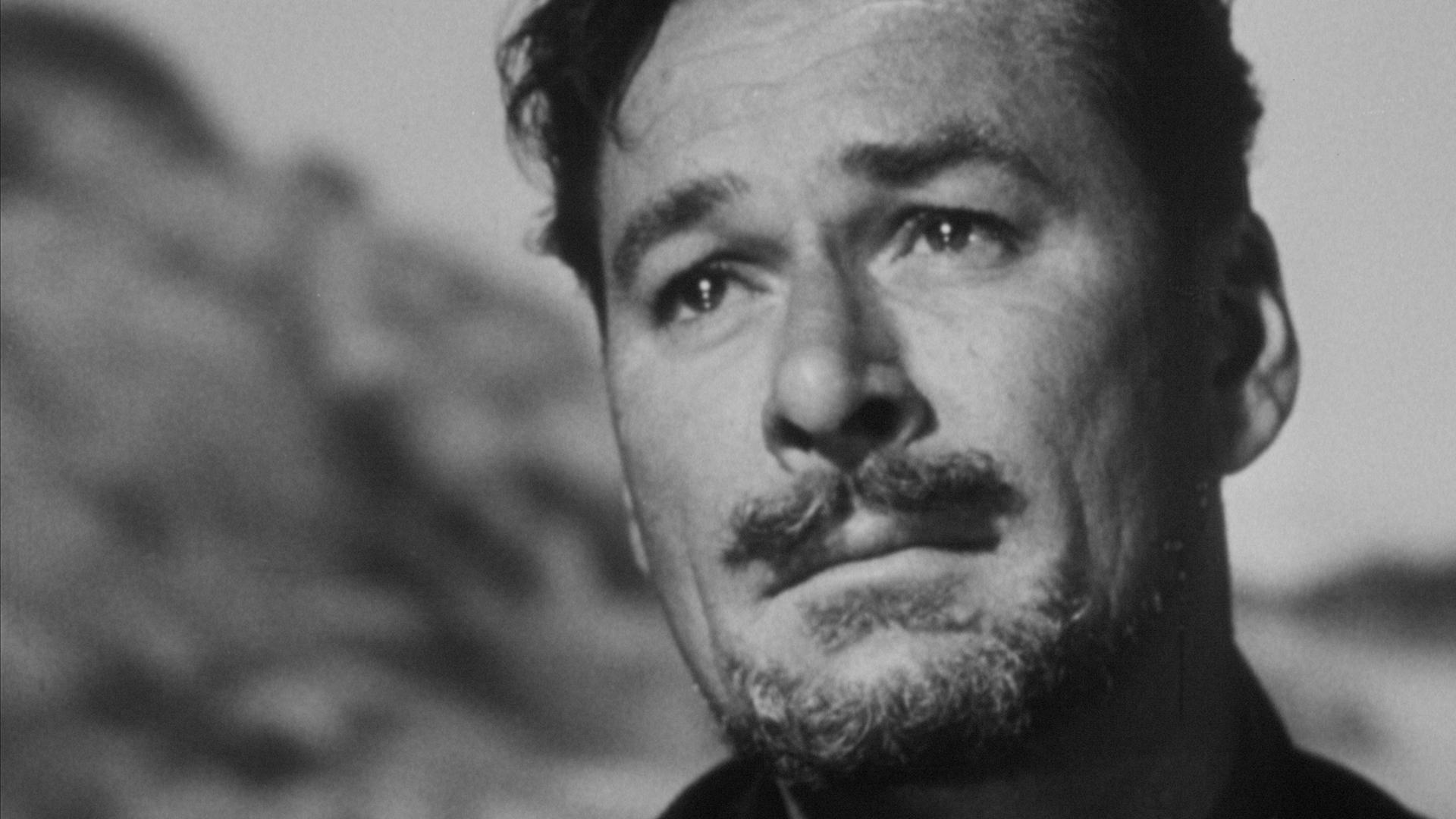
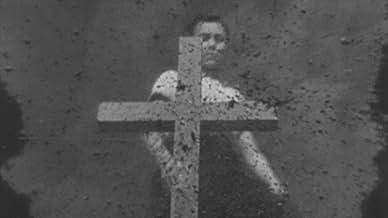
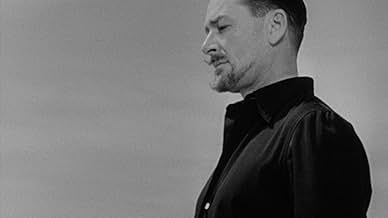
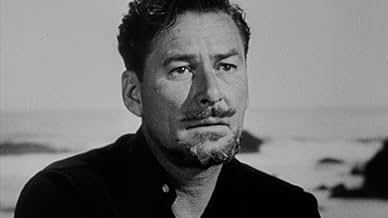
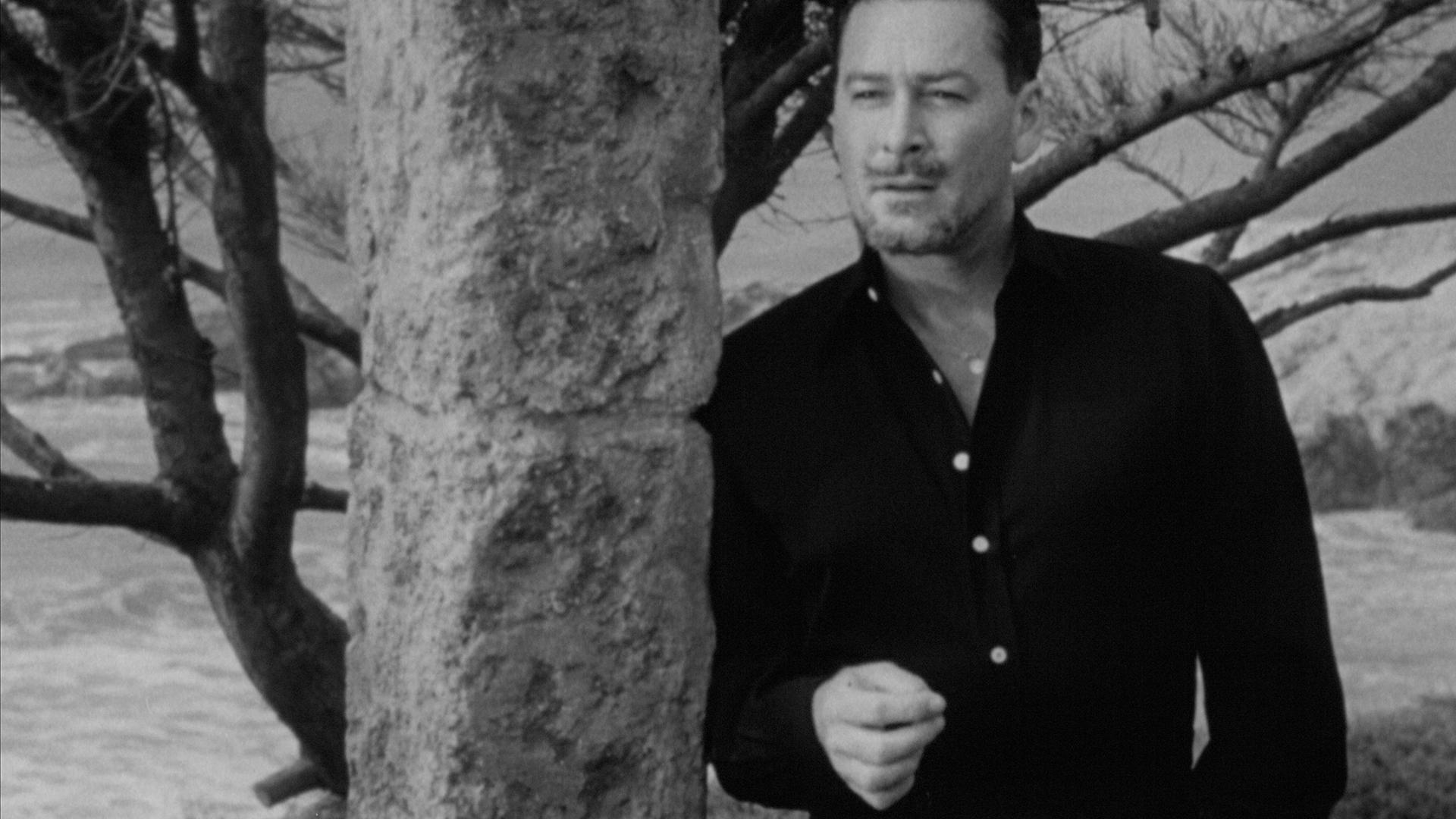
Most film historians incorrectly thought Hello God was an exploitation film like Errol Flynn’s last movie Cuban Rebel Girls (1959). Instead, the curious Hello God is a profound bookend to a great anti-war film, All Quiet On The Western Front (1930, banned during World War II).
Silent or not, Errol Flynn does excellent dramatic work here. His character is an omnipresent, haunting, grieving figure who mourns gallant, fallen
William Marshall, a wounded veteran de
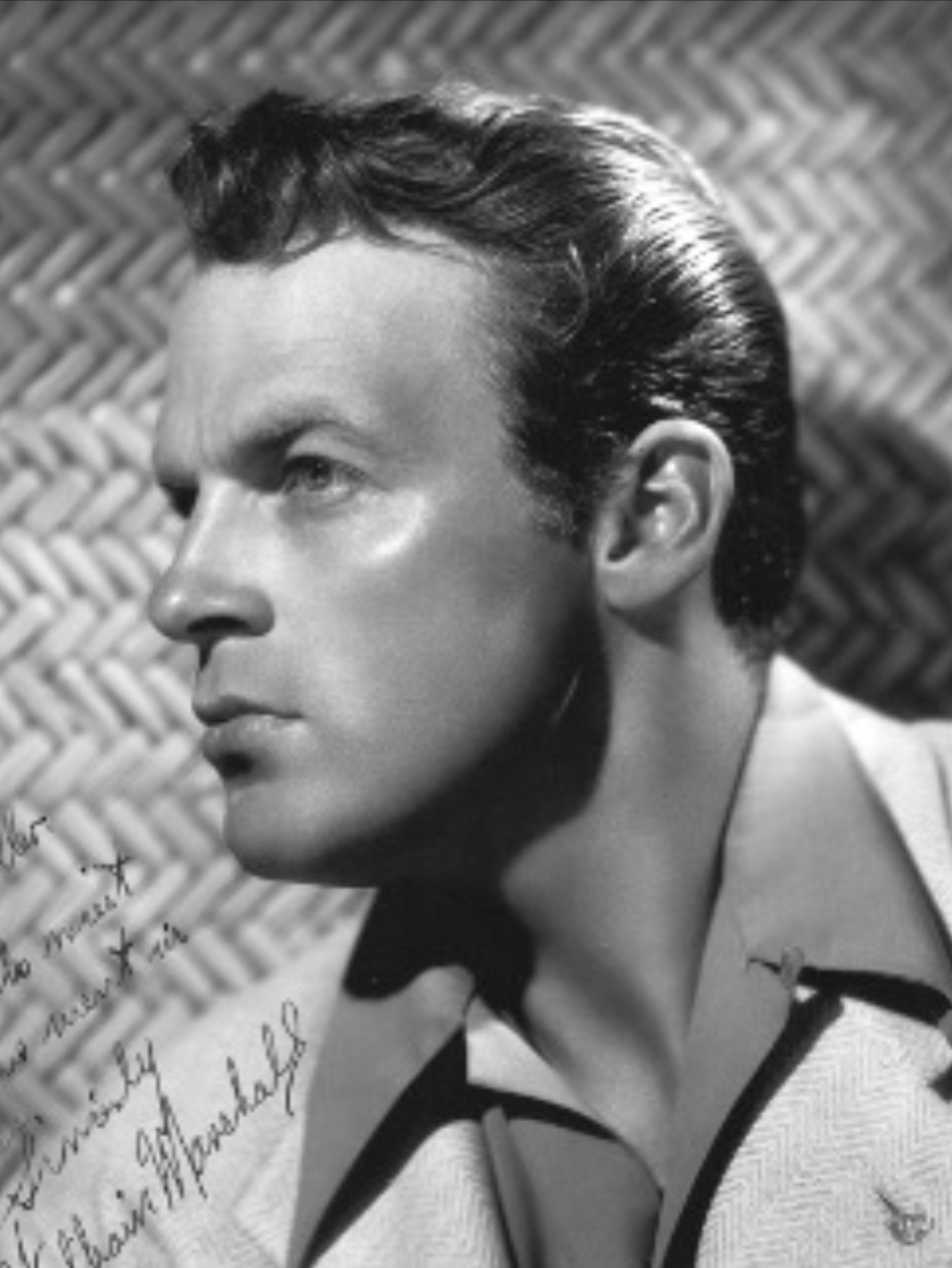
William Marshall
If anything, Hello God was a noble failure ahead of its time. William Marshall was right about Hello God, and that Errol Flynn, who endured many scandals in his career, had nothing to fear. We can only hope, however unlikely, that the rest of the film is discovered someday.
Thanks to the kind, generous cooperation of Beth Rennie, at the Moving Image Department, the George Eastman House & Museum (a leader in film preservation) with research assistance from Robert Florczak and Inga Klein.
Note:
When William Marshall married Michele Morgan in 1942, she was living in a new house specially designed and built for her. Marshall talked her into selling. Morgan agreed because she sensed something u
On August 9, 1969, followers of Charles Manson broke into the house and murdered the pregnant Sharon Tate plus four other people.
The house was demolished in 1994.
-Ralph Schiller
Thanks for this wonderful review Ralph and astonishing images! Special shout out to Karl Holmberg, too.
— David DeWitt

Ahoy Ralph-
A most beautifully written investigative piece on one of Flynn’s most enigmatic cinematic escapades. And you do it in the style of straight forward reporting as well providing us with the historical context as to how this film (44th, by my count) came to be…
Thank you for taking this LONG journey to the somewhat remote area of Northwestern New York, and bearing witness to this almost forgotten effort and sharing that richness of what remains as well as might have been.
Your words brought LIFE anew to a mere obscure footnote in Flynn History…
BRAVO!
Now, please go and find the lost footage of the Magnificent Ambersons and tell us about that as well!
Superb sleuthing, Rushstreet Ralph. It is great to hear back from you. In his book “The Sixth Season“ Marshall touted “Hello Good“ as a movie masterpiece, a perfect mix of acting scenes and original footage of the landing of the Allied troops. Flynn would hear none of it, and would get sued from all sides in the process. Still they planned a four hour crime story together titled “The man who cried“. Errol rehearsed his lines with star lawyer Melvin Belli in Paris for authenticity. When this project failed, things got out of hand and W. Marshall accused the thinly disguised Flynn stand-in Baron nothing short of real life murder in his tell all novel “The Deal“.
Talking of murder, Sharon Tate lived in another house, where a killing occurred prior to Cielo Drive. She and her former financé Jay Sebring had rented the mansion of the late Paul Bern, ex husband of Thelma Todd. The eerie atmosphere (or the occult painting in their sleeping room?) gave her a nightmare of a small man appearing, telling her she and Jay would be dead within a short period of time.
Shamanistic Shang- GREAT to hear your unique supplementals that are accents to Ralph’s perfectly baked cake!
By the by, please share with David a path for further contact off this public grid!