RSS
 

Search results for ‘name’

May Day No. 2: The Legend of Maid Marian

01 May

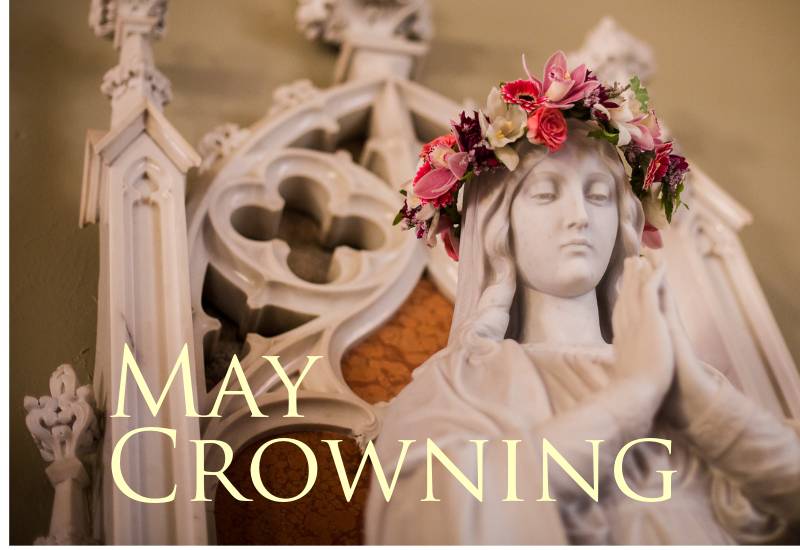
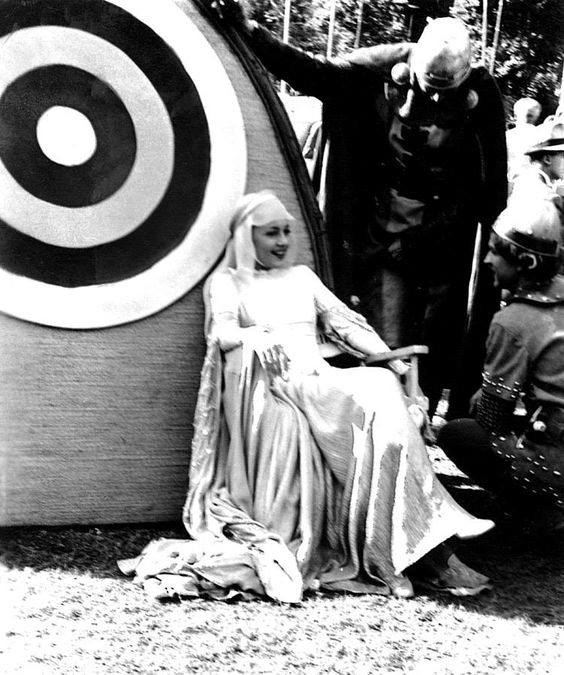
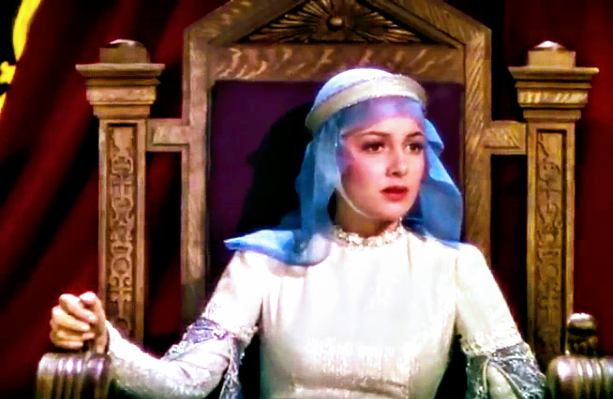
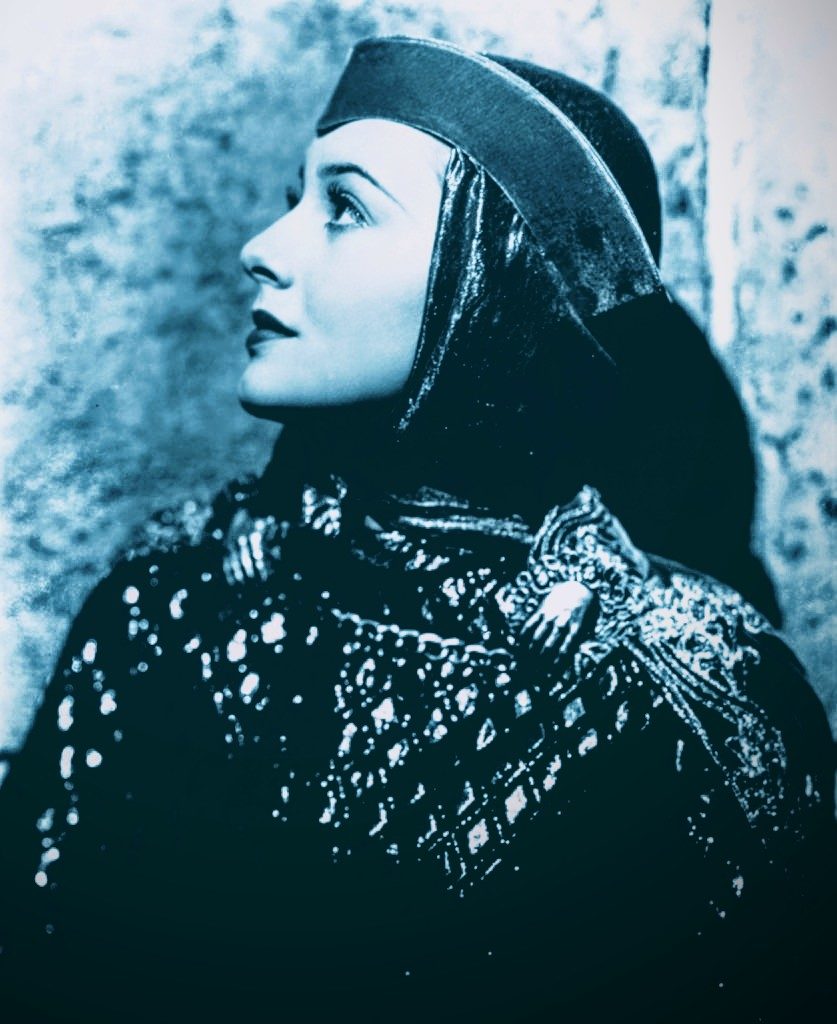
In addition to its connection to Robin Hood, May Day has had a very long and very strong association with the Virgin Mary, most especially among Roman Catholics. The legend of Maid Marian may have arisen from that association, as did apparently Olivia’s costuming, as well as her physical appearance, in The Adventures of Robin Hood.
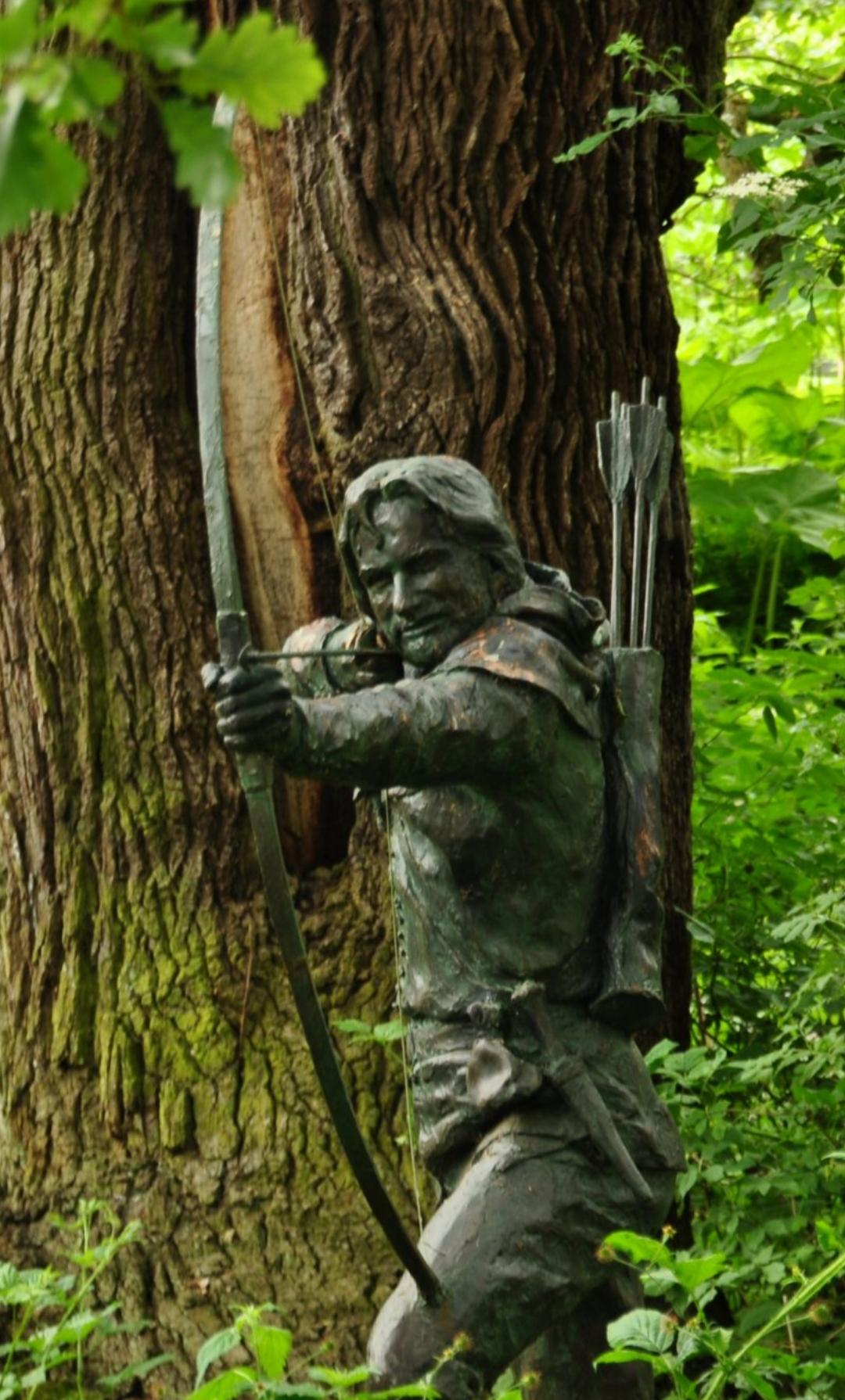
In the 1400s Catholics, as all Christians were at the time, in England celebrated May Day on the religious holiday of Whitsun featuring a quasi-religious rebel who robbed and murdered government tax collectors and wealthy landowners in plays and games. Agrarian discontent lay at the foundations of the feudal system that was built on the shoulders of toiling peasants. As time went on, the characters of Maid Marian, Friar Tuck and Alan-a-Dale entered May Day rituals as well. Robin Hood was actually shown at this time participating in Mariology, the cult of Mary, the mother of Jesus. Originally Maid Marian (or the French Marion) was a shepherdess associated with the Queen or Lady of May or May Day. Keeping this in mind, “the world’s foremost authority on Robin Hood,” author Jim Lees in The Quest for Robin Hood set forth that the hypothesis that Maid Marian may originally have been the personification of the Virgin Mary and derived from the older French tradition of a shepherdess named Marion and her shepherd lover Robin in Adam de la Halle’s Le Jeu de Robin et Marion, 1283. In fact, Marian’s association with May Day celebrations lasted long after Robin Hood’s did, as pointed out by Scottish born poet Alexander Barclay in 1500, “some merry fytte of Maid Marian or else of Robin Hood.”

May Day in the Catholic Church

The Legend of Robin Hood and Maid Marian

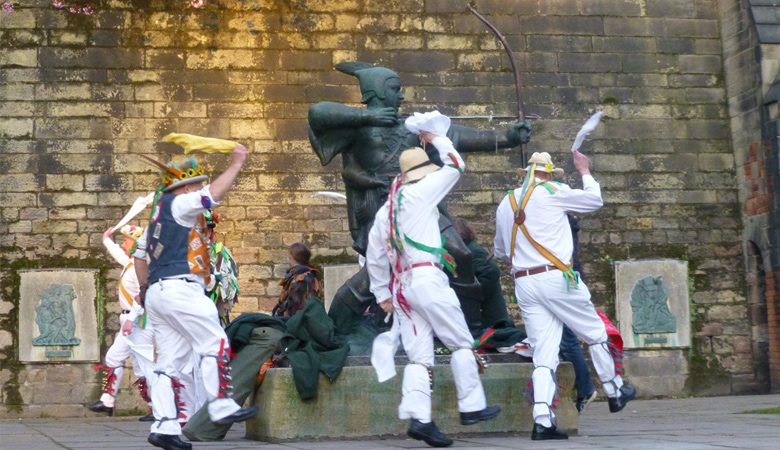
Here’s a May Day Celebration in England from the Days of Errol Hood and Maid Olivia:


Hell, even atheist Katie Hepburn celebrated May Day!


Here’s a majestically beautiful May Day ceremony in 2018 from a Catholic School in St. Louis:

www.youtube.com…

— Tim


May Day No. 1: The Legend of Robin Hood

01 May

No other aspect of the history of the Robin Hood legend deserves more notice than the hero’s participation in the May Day Games.

May Day Games and the Robin Hood Legend

Robin Hood ballads reflect the discontent of ordinary people with political conditions in medieval England. They were especially upset about new laws that kept them from hunting freely in forests that were now claimed as the property of kings and nobles. Social unrest and rebellion swirled through England at the time the Robin Hood ballads first became popular. This unrest erupted in an event called the Peasants’ Revolt of 1381.

The earliest known mention of Robin Hood is in a ballad called Piers Plowman, in which a character mentions that he knows “rimes of Robin Hood.” This and other references from the late 1300s suggest that Robin Hood was well established as a popular legend by that time. One source of that legend may lie in the old French custom of celebrating May Day. A character called Robin des Bois, or Robin of the Woods, was associated with this spring festival and may have been transplanted to England—with a slight name change. May Day celebrations in England in the 1400s featured a festival “king” called Robin Hood.

Robin Hood Ballads

Dressing up as the medieval social justice warrior was among young Henry VIII’s favourite pastimes.

Henry VIII Joins the Party

— Tim


April 29 — 1937 — — Errol Tops in Tennis with Garbo

29 Apr

Jimmy Starr – April 29, 1936
LA Evening Herald Express

Already ranked as one of the movie village’s tennis greats, Gilbert Roland took it upon himself to name Hollywood’s 10 best racket wielders.

On the set of Paramount’s The Last Train from Madrid, Gilbert put Garbo in the top spot among feminine tennis players, Errol Flynn equals her in the men’s division. Others are Marlene Dietrich, Cedric Gibbons, Constance Bennett, Gary Cooper, Carole Lombard, Harold Lloyd, Elizabeth Allen and Ronald Colman.

Errol Backstroking in Hollywood Circa 1935

— Tim


231 Years Ago Today

28 Apr

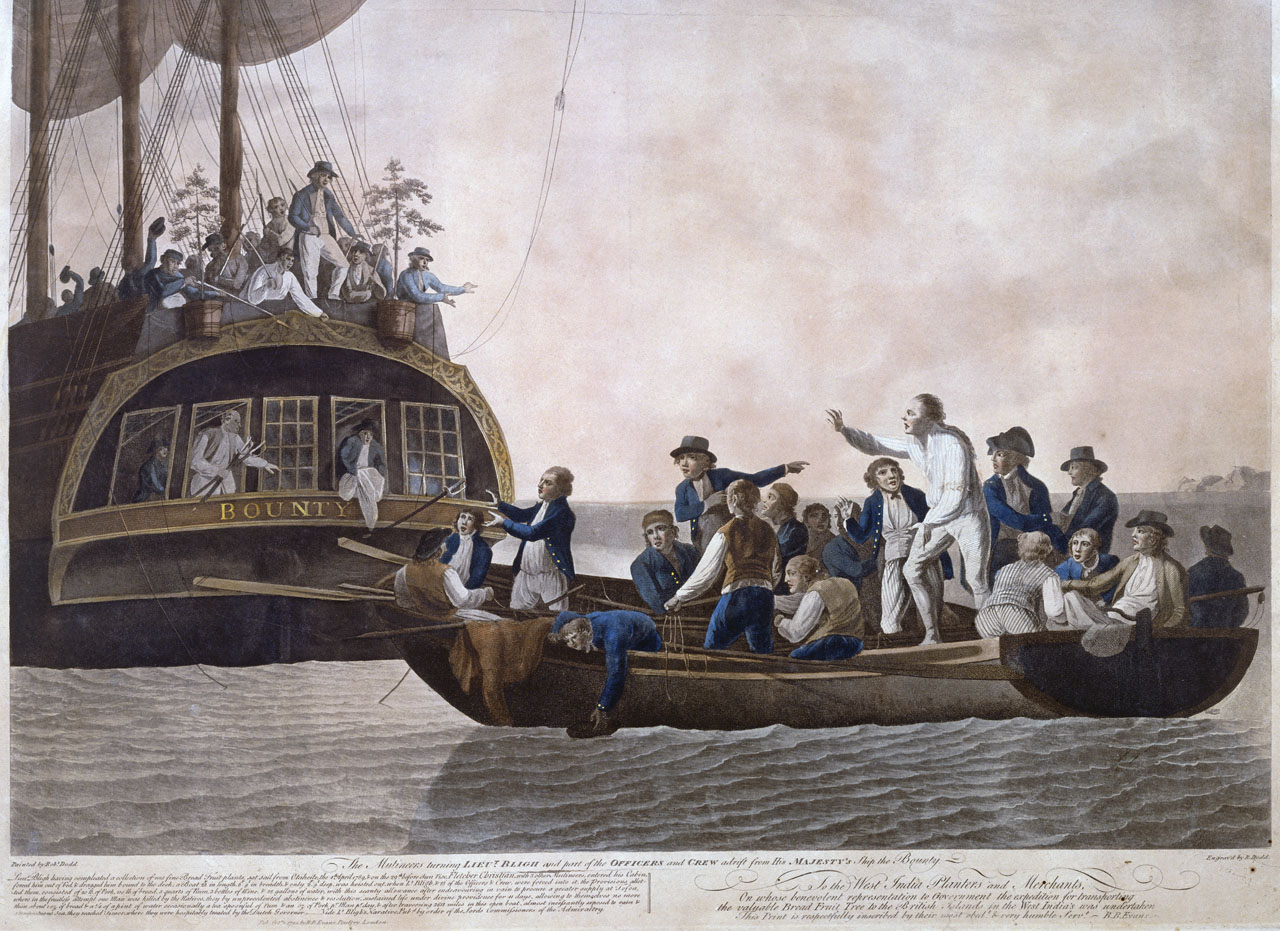
On April 28, 1789, three weeks into a journey from Tahiti to the West Indies, the HMS Bounty was seized in a mutiny led by Fletcher Christian, the master’s mate. Captain William Bligh and 18 of his loyal supporters were set adrift in a small, open boat, and the Bounty set course for Tubuai south of Tahiti.

In December 1787, the Bounty left England for Tahiti in the South Pacific, where it was to collect a cargo of breadfruit saplings to transport to the West Indies. There, the breadfruit would serve as food for slaves. After a 10-month journey, the Bounty arrived in Tahiti in October 1788 and remained there for more than five months. On Tahiti, the crew enjoyed an idyllic life, reveling in the comfortable climate, lush surroundings and the famous hospitality of the Tahitians. Fletcher Christian fell in love with a Tahitian woman named Mauatua.

On April 4, 1789, the Bounty departed Tahiti with its store of breadfruit saplings. On April 28, near the island of Tonga, Christian and 25 petty officers and seamen seized the ship. Bligh, who eventually would fall prey to a total of three mutinies in his career, was an oppressive commander and insulted those under him. By setting him adrift in an overcrowded 23-foot-long boat in the middle of the Pacific, Christian and his conspirators had apparently handed him a death sentence. By remarkable seamanship, however, Bligh and his men reached Timor in the East Indies on June 14, 1789, after a voyage of about 3,600 miles.

Mutiny on the Bounty

Which ultimately gave birth to the film career of Errol Flynn.

August 8, 1932

Sydney Morning Herald

MUTINY OF THE BOUNTY – Reconstructed for Films.

Mr. Charles Chauvel returned to Sydney on Saturday, after travelling 15,000 miles in little known parts of the Pacific Ocean, to make a film depicting the mutiny of the Bounty for Expeditionary Films, Ltd., an Australian company. Every effort has been made to produce the film historically, and present a faithful picture of the wanderings of the mutineers, before they reached Pitcairn Island, where they burned the Bounty,
and to Lieutenant Bligh’s epic voyage of 4000 miles, in an open boat to Batavia, after he had been cast adrift with l8 loyal members of his crew.

Mr. Chauvel followed the route of the Bounty and saw the remains of the ship lying in the clear water at Pitcairn Island. Native dances were filmed at Tahiti, where the mutineers stayed. Natives had to be specially chosen, as knowledge of primitive dances is rapidly dying out.

March 15, 1933

Sydney Morning Herald

EXPEDITIONARY FILMS LTD. “BOUNTY” PICTURE LAUNCHED!!

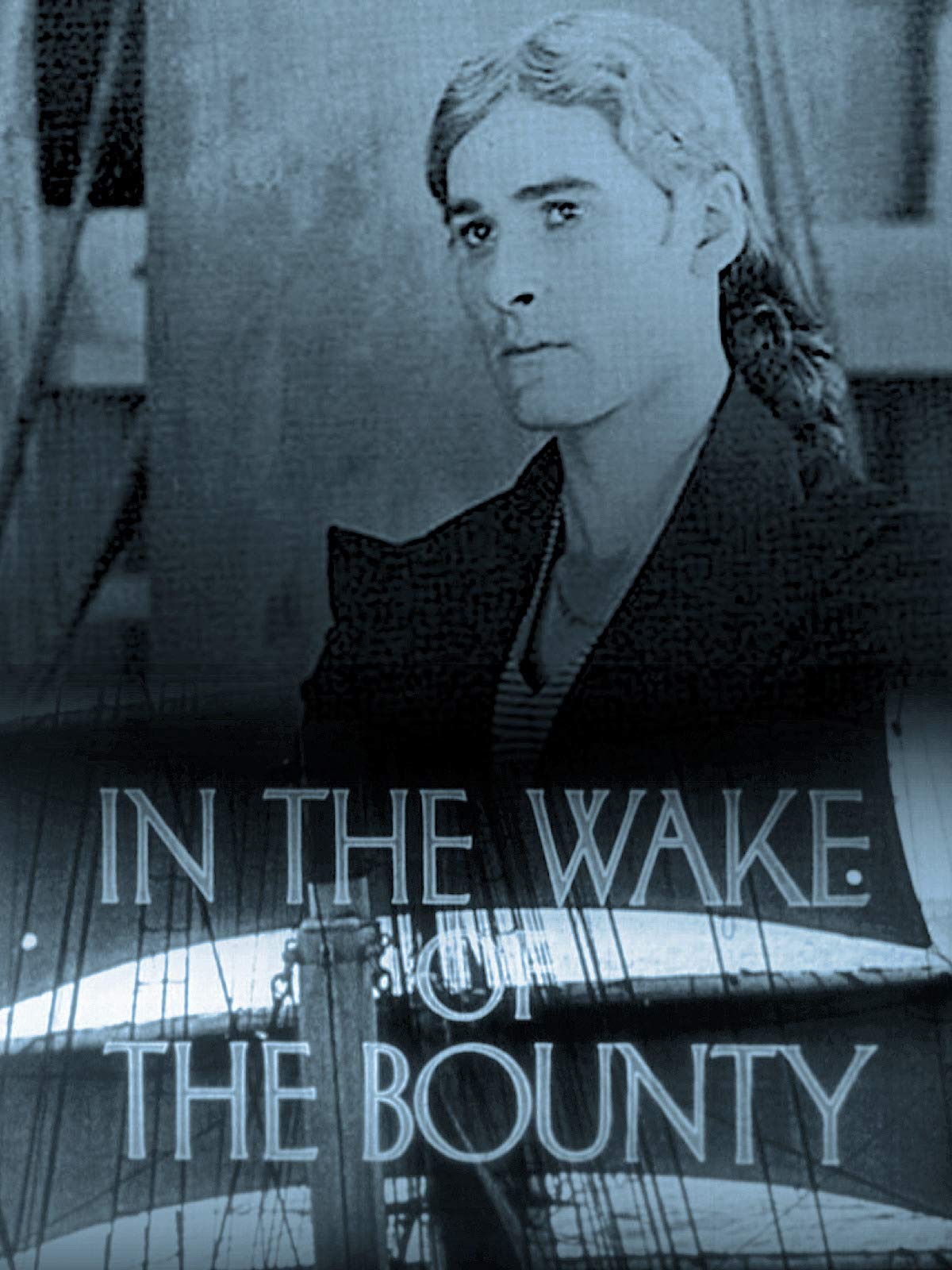
To-day, at the Prince Edward Theatre, the film, “In the Wake of the Bounty,” which Mr. Charles Chauvel produced recently, with Tahiti and Pitcairn Islands as the principal backgrounds, will be given its first public screenings.

December 1, 1933

The West Australian

IN THE WAKE OF THE BOUNTY – New Australian Production.

Travelogues and dramas have drenched the screen- with the- spray of South Sea beaches until the film-goer imagines that he knows every angle from which a palm can be photographed. Then an Australian, Mr. Charles Chauvel,. makes ‘In the Wake of the Bounty,’ and presents the Pacific under a strange and cloudy beauty, such as has not been filmed. Mr. Chauvel, however, is more concerned with the savage languor of the tropics; he masses the brilliance of wild dances and flowers to show the pathetic contrast between the islands, which link that famous mutiny, Tahiti and Pitcairn, writes the Film Editor of the Sydney ‘Sun.’

Thus that first part of the. film is a glamorous reconstruction of history, with young Errol Flynn playing the part of Fletcher Christian …

— Tim


Autograph Army on Patrol in Chico

23 Apr

AUTOGRAPH ARMY ALWAYS ON TRAIL OF CINEMA STARS

Restaurant Employee Pays For Olivia De Havilland’s Meals For Signature

REDEEMS HER CHECKS

Player Is Now With Errol Flynn in “Adventures of Robin. Hood”
By FRANK HEACOCK Hollywood,Cal., March 3, 1938

The prophet may be without honor in his own country but the movie star certainly isn’t. One of the demonstrations of the honor in which the screen darlings are held is their pursuit by autograph hunters. And nowhere does the autograph hunter flourish more lustily than in California, country of the movies. And California signature-seekers have several times achieved new highs of ingenuity in devising methods of obtaining the coveted name scrawls of their film favorites. Most unusual of them came to light recently during the filming of “The Adventures of Robin Hood,” when the company was on location near Chico, Calif.

Signs the Checks

When a film troupe is on location, be it explained, the studio takes care of meals and accommodations for its members. And to simplify the business of paying for meals the studio arranges for members of the company to sign their checks; a company auditor paying them later. Members of the “Adventures of Robin Hood” company, in which Errol Flynn and Olivia de Havilland are co-starred, ran up a healthy accumulation of meal checks to be paid off. But a week after her arrival at Chico it was found no meal check signed by Miss de Havilland had turned up at the hotel where she was staying.

Auditor Stumped

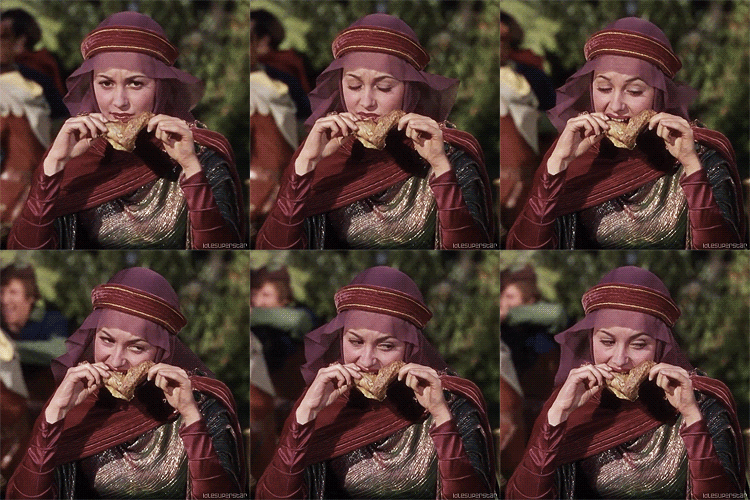
Now Miss de Havilland, by her own admission, is a girl who likes her victuals. She wasn’t on a diet and she certainly wasn’t paying for for own meals. The auditor couldn’t figure it out.

Sold Autographs

Investigation disclosed that a kitchen employee had been removing her “autographed” meal checKs from the daily collection and dropping into the cash register an amount equivalent to the price of her meals. The hotel employee then proceeded to sell the “autographs” to a Hollywood autograph broker of whom there are dozens. The broker, according in the avid autograph collector, was paying him fifty cents more for each signature than the check bearing it cost him. Considering that there was nothing intrinsically dishonest in his actions, the hotel contented itself with a reprimand and a proposal that he denote his profits to a local charity. But by that time eighteen Olivia de Havilland autographs had found their ‘way to market’.

Tribute to California’s ingenious autograph hunters. Tribute, too, to the healthy appetite Miss de Havilland worked up during the making of “The Adventures of Robin Hood” in Chico’s bracing atmosphere.

— Tim


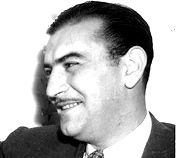
In Memoriam: Bud Ernst — Flynn’s First Buddy in Hollywood

14 Apr

He Died 70 Years Ago This Week

From My Wicked, Wicked Ways:

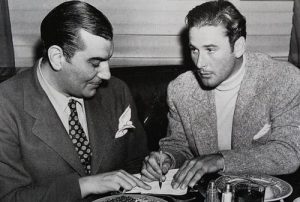
“It was the beginning of 1935. I bought a little car. Often I went for a spin with a big fellow named Bud Ernst.
He was six foot five, weighed about two hundred and fifty pounds. He was a flier, a fun guy.”

“He was my first and long-time friend in Hollywood. … We certainly had memorable times together in my early days behind the fog, smog, and grog curtain of Hollywood. How many words would you like on the shock a man gets when his dear friend, a roistering, Falstaffian ruffian, suddenly goes out, buys himself a 16-gauge double-barrel shotgun, some cartridges, and blows the top of his head off.”

Report in the New York Times, April 11, 1950

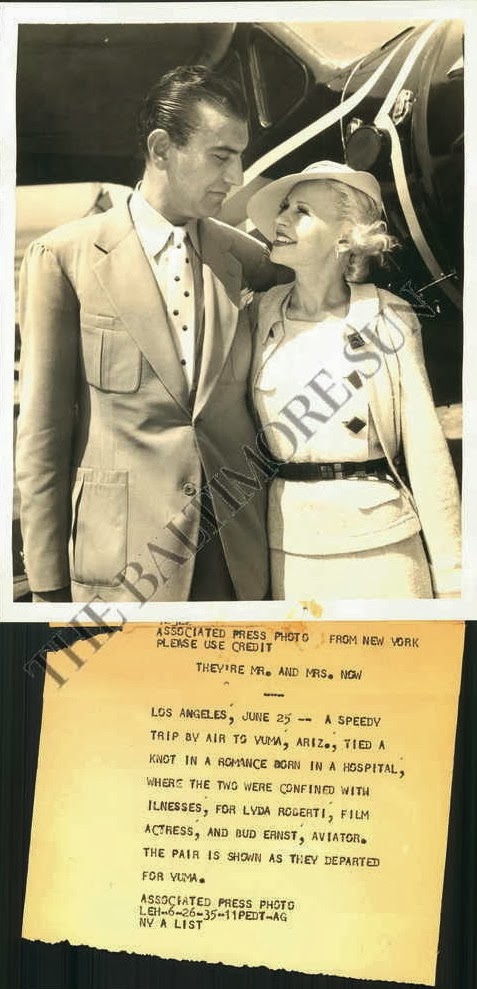
On June 20, 1935 – a date that will live in Flynnfamy – Bud flew Errol and Lili to Yuma to tie the knot. Five days following, he flew himself and Lyda Roberti to do the same.

One of Errol and Ernst’s “memorable times together in the early days”:Adventure at Asuncion Bay

Bud’s father, Hugh C. Ernst, was the brilliant business manager for the phenomenally successful bandleader Paul Whiteman, who had a major role in the 1924 first performance (by George Gershwin and the Paul Whiteman Orchestra at Aeolian Hall in New York) and subsequent popularizing of what many believe to be America’s most important musical composition, Rhapsody in Blue. After managing Paul Whiteman, he became a major executive with NBC. Through his father, Bud grew up “knowing everybody” in the world of music and radio.

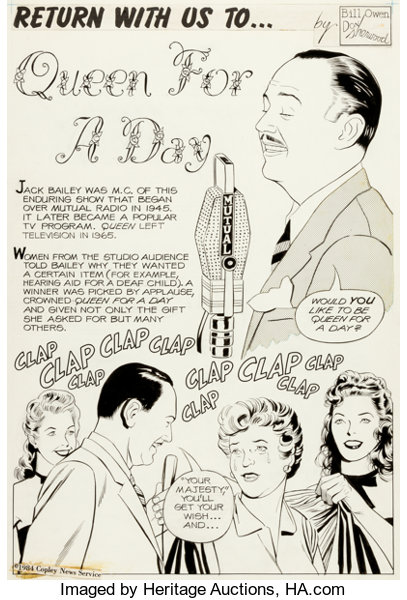
Bud was director of the pioneering and hugely popular radio show “Queen for a Day”. Here’s one of the the show’s broadcasts, from February 1950, less than two months before Bud’s death:

Queen for a Day

— Tim


Hollywood All Adither Again

12 Apr

April 12, 1943

Errol Flynn-Ann Sheridan Romance Hinted

LA Evening Herald Express

Hollywood was all adither again today over its time-honored pastime of name-coupling.

The names being coupled are Errol Flynn and Ann Sheridan. And what brings the dither to a boil is the fact that Flynn just got his divorce decree last week. Ann still has three months to wait for her final release from George Brent.

Ann has denied a matrimonial measure of interest in the film swashbuckler and he has repeatedly sought refuge from the gossip in the traditional “we’re just good friends” line.

Annie Got Her Gun – Did she have Errol in her sights?

True amour? Or, more just an edgy Ann and Flynn fling/affair?

— Tim


Earnest Errol

08 Apr

April 8, 1944

Bosley Crowther
New York Times

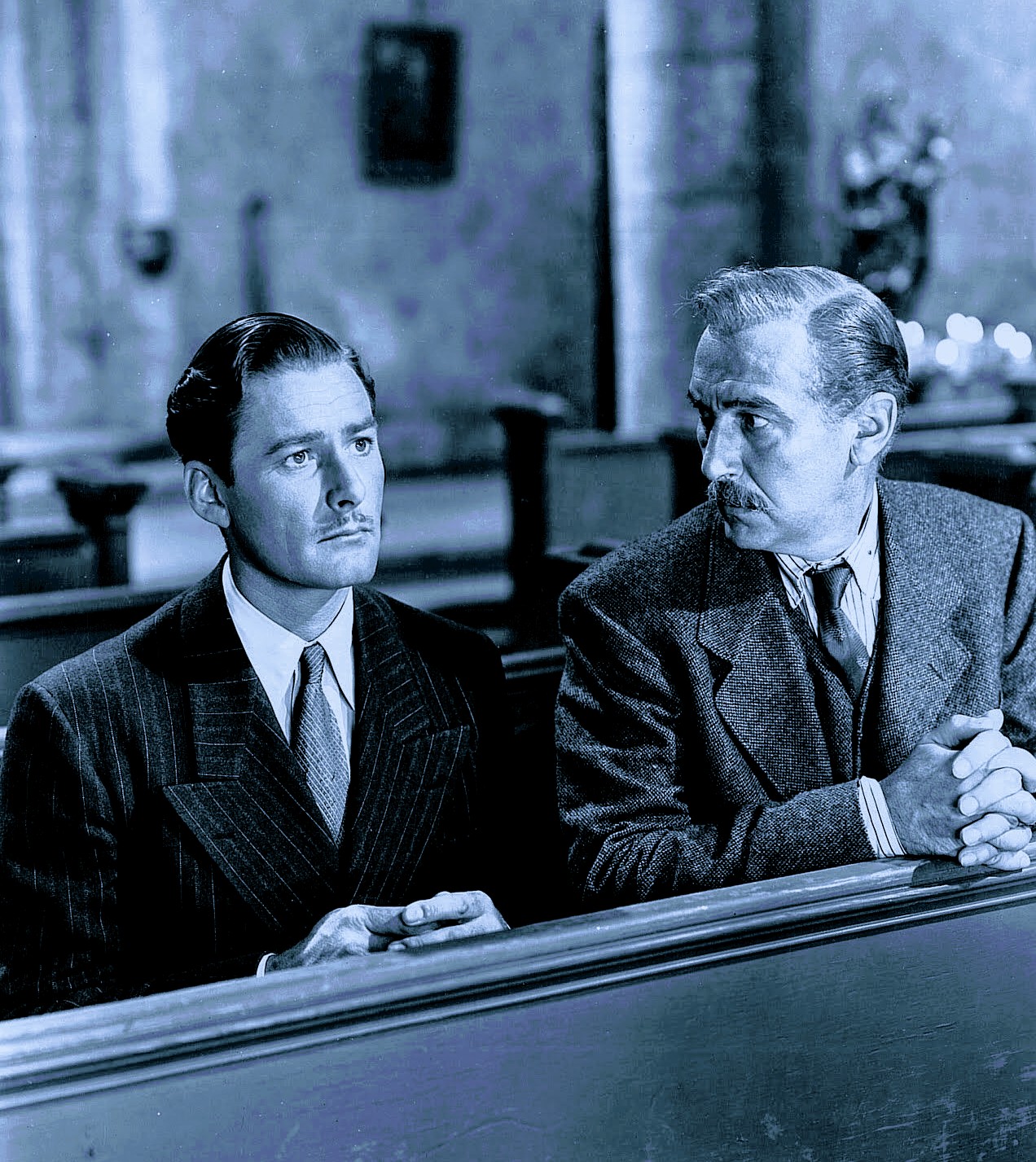
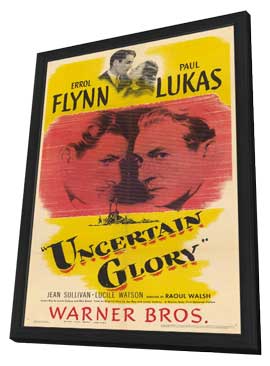
An uncommon lot of “criminals” seem to be doing noble things for France these days—at least, in motion pictures. There was Humphrey Bogart in “Passage to Marseille” and Jean Gabin in “The Impostor.” Now it is Errol Flynn who is abandoning crime for patriotism in “Uncertain Glory,” at the Strand.

In this rather hopped-up Warner picture, which takes place in occupied France, Mr. Flynn plays a man condemned for murder who, in hopes of getting away, offers to surrender himself to the Nazis as a particularly desired saboteur. The offer is grudgingly accepted by Paul Lukas of the French police, who suspects Mr. Flynn’s intentions and keeps a careful watch on him. But when the chance does come for Earnest Erroll to take it on the lam, he does the noble thing bravely. You see, he had meanwhile met a girl. (It is always, or almost always, a girl who inspires Mr. Flynn.)

You may note that our references to characters have been by their own familiar names. It is because this picture is plainly an actor’s vehicle. An air of French actuality is entirely foreign to it. The whole thing is artificial, in structure, mood and atmosphere. But if you accept it on that basis — as a purely theatrical show — it does have some compensations in the entertainment line. The sparring of Mr. Lukas and Mr. Flynn is amusing throughout, mainly because of the performance of Mr. Lukas as an anxious plain-clothes cop. (Mr. Flynn is his boyish self, as usual, and quite remote from a faithful criminal type.) Director Raoul Walsh has keyed it to a subdued, suspenseful pace which is suggestive of explosive tension, even if it never explodes. And Jean Sullivan, who bears a close resemblance to Teresa Wright, is a nice new face in it. However, we casually wonder what values one can hold to when one sees Errol Flynn as a murderous criminal symbolizing the spirit of France.

UNCERTAIN GLORY; screen play by Laszlo Vadnay and Max Brand; from an original story by Joe May and Mr. Vadnay; directed by Raoul Walsh; produced by Robert Buckner for Warner Brothers. At the Strand.

A version of this article appears in print on April 8, 1944 in the National edition with the headline: Errol Flynn Assists the French Underground in Strand Film, ‘Uncertain Glory’

— Tim


Flynn and the fiercest forehand

06 Apr

Dear fellow Flynn fans,

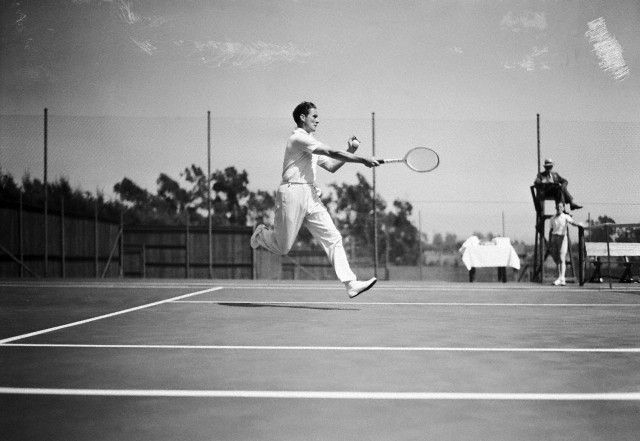
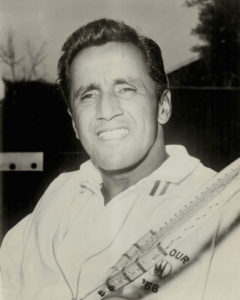
Francisco Olegario Segura called “Pancho” by friends and pros, had what many labeled the best forehand ever in the history of tennis.

Former World No. 1 Player Ellsworth Vines remembered it all too well: “(His) Two-handed forehand is most outstanding stroke in game’s history; unbeatable unless opponent could avoid it.”

Pancho, the eldest of  7-10 children (reports vary) was born in Ecuador on a raft on the way to the hospital on June 20th 1921.

Not only did he share Errol`s birthday, but also crossed rackets with him in later years in Spain.

“I used to play at midnight in Madrid for 1000 dollars. Errol Flynn would send a chauffeur to pick me up.”

After an exceptional career on the lawns all around the world, considering he had suffered from rickets and malaria from an early age, he settled in the US and taught many flynntimos his most deadly shot at the Beverly Hills Tennis Club.

Ava Gardner, Kirk Douglas and Shelley Winters, just to name a few, honed their tennis court skills with this great character known for his humor, relentnessness and  longevity.

He retired at 49 at the US open and died at 96 with fond memories of mentoring Jimmy Connors and to a lesser extent the son of Dean Martin to felt ball stardom.

Enjoy,


— shangheinz


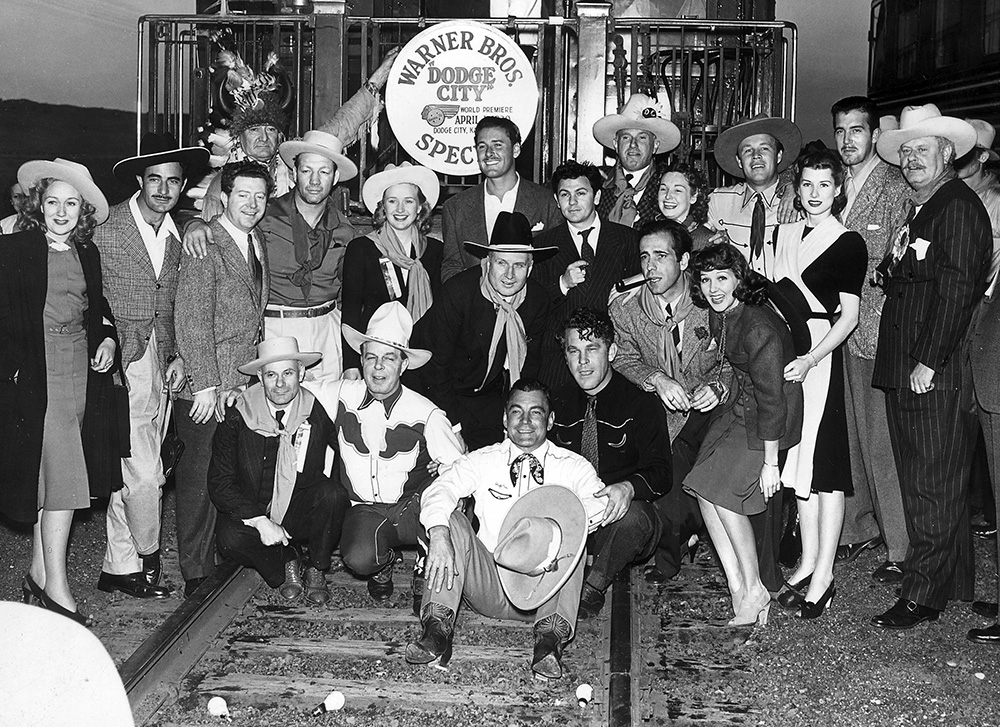
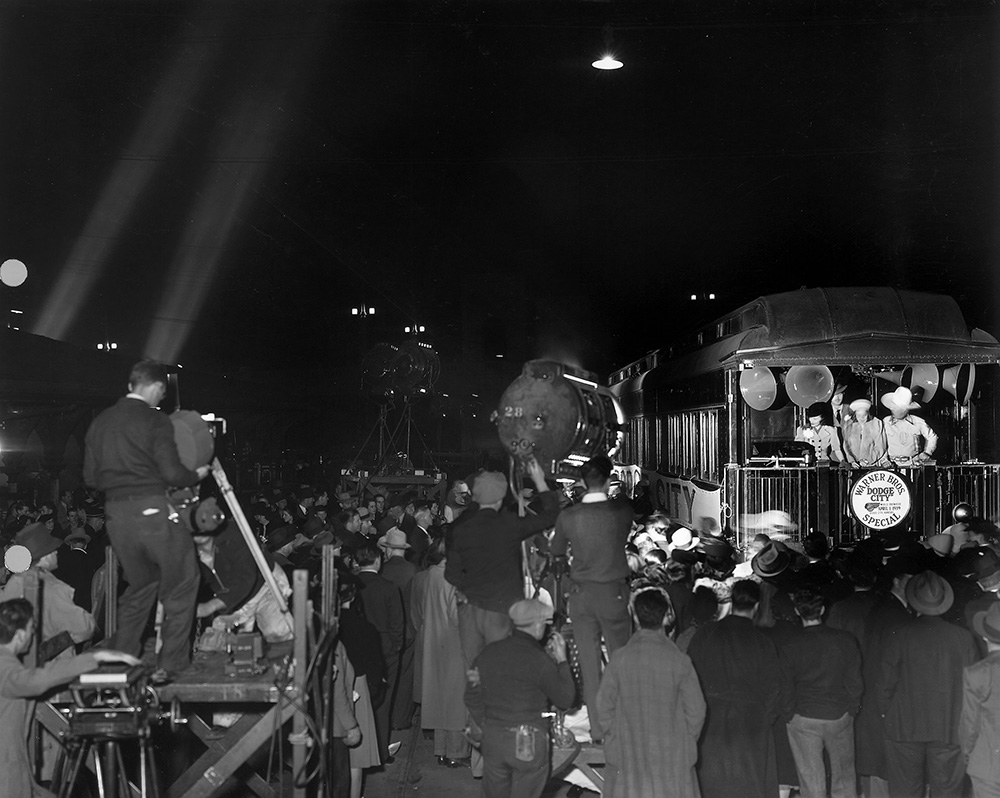
The Warner Bros. Dodge City World Premier Special ==== “A Hollywood Parade on Wheels”

01 Apr

STARS GET WELCOMED FOR FILM PREVIEW

Evening Herald Express

By Jimmy Starr

Dodge City, Kan. April 1 (1939)

For years they have been saying that Hollywood is colossal, but it took the Warner Brothers’ 14-car special train which arrived in Dodge City this morning to prove that moviedom was never colossal until today.

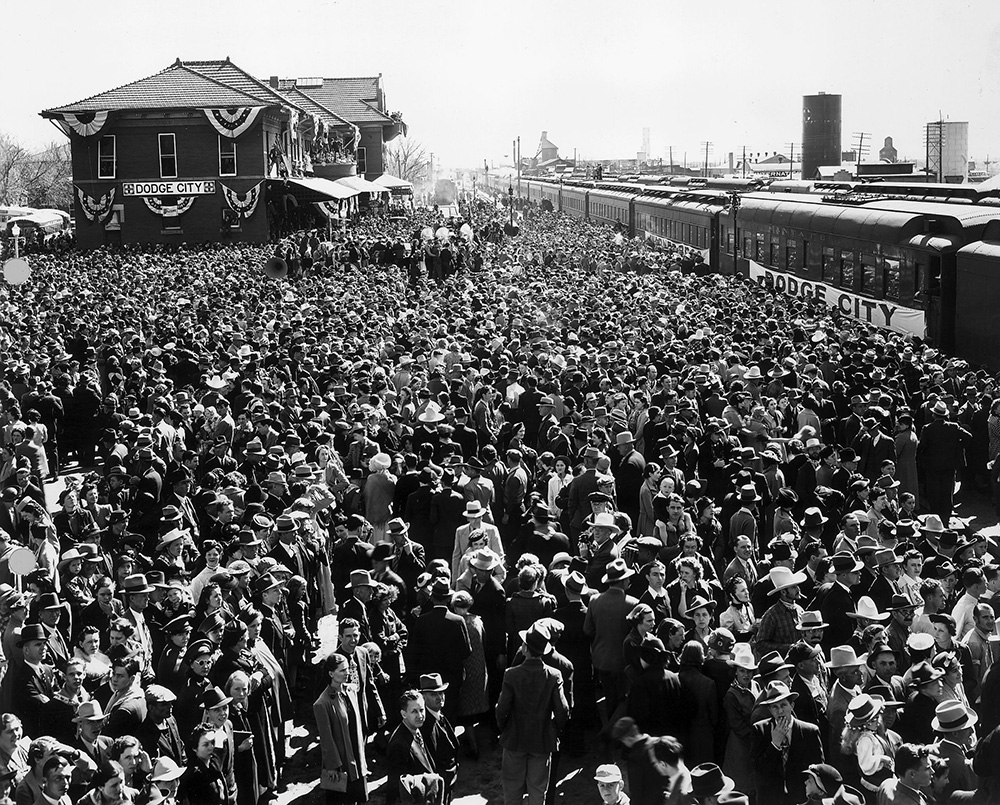
With no strings on a bank account, the party, which includes 35 stellar names, 72 newspapermen and magazine correspondents and cameramen and dozens of studio technicians departed Thursday night from Santa Fe station in Los Angeles and arrived in Dodge City this morning.

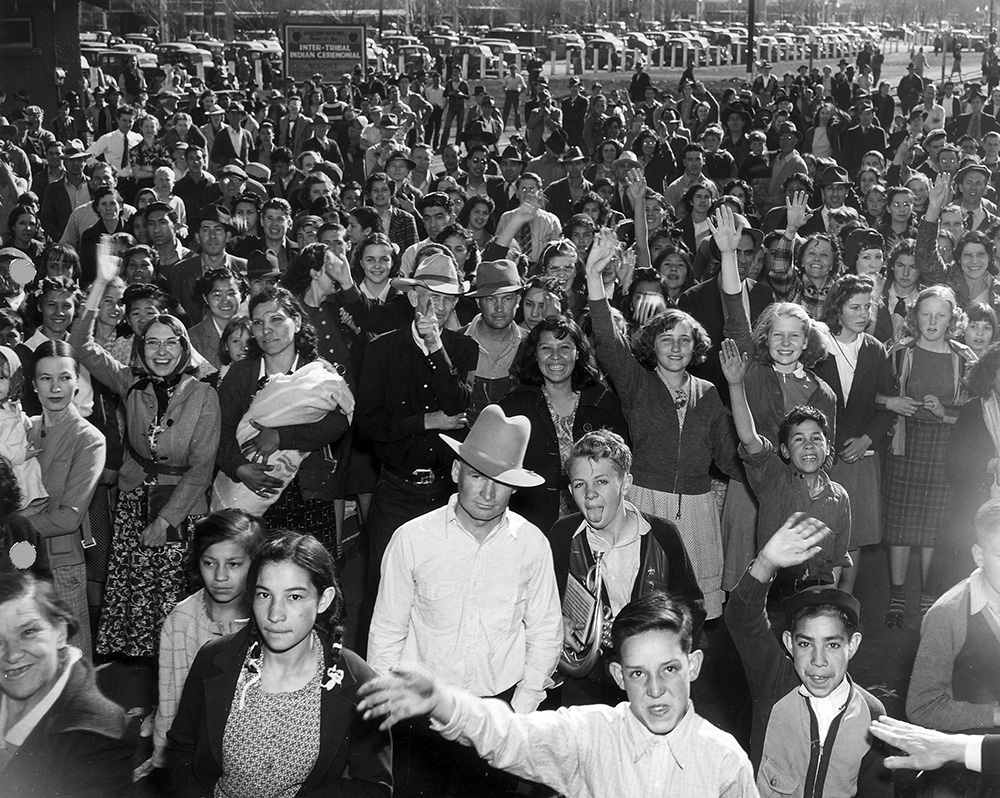
A typical Hollywood gathering of several thousand persons were at the station to greet the stars. Radios and loud speakers blared gala tunes. Dozens of luminaries were ushered through wildly gesticulating crowds.

The baggage car of the special train was transformed into a replica of the famous “Gay Lady Saloon” of Dodge City’s wildest and wooliest days, and it was visited by thousands of Dodge City fans.

OLD WEST ATMOSPHERE

The Warner studio had given it an Old West atmosphere with sawdust on the floor, typical signs warning customers against crooked faro dealers and advice to check shooting irons with the bartender. All it needed to complete the picture was a dirty old villain to shoot it up and a tree to hang him on.

Then there was a palace car, but it was not for for the human stars of Hollywood. Instead it housed 16 equine stars to be used in an especially staged rodeo in Dodge City this afternoon as a warm-up for the triple preview of the 2-million dollar Technicolor picture Dodge City tonight. In order to accommodate the terrific influx of visitors from four states it was necessary to engage three theaters, which will run all night, to show the production to the tremendously swollen population.

150,000 THERE

Dodge City, which has a normal population of 13,000 persons, is today entertaining a swarming multitude of 150,000 yelling, restless, staring, snoopy, autograph-hunting, curious, hungry, thirsty, dusty, foot-weary and movie-mad spectators. As a tribute to Jack Warner and the picture, Dodge City citizens took it upon themselves to emulate the founders of their rough and ready village by growing enough bushy beards that not only would frighten Boris Karloff, but also would supply a thousand baseball teams for the House of David. It was indeed a sight to turn a mattress factory green with envy.

ODDITIES BETWEEN WHISTLESTOPS

Olivia de Havilland, heroine of the picture, was the heartbroken ingenue of the train when she was rudely and without warning snatched from the special at Pasadena.

It seems that Mr. Selznick, who stalled for two years before making Gone with the Wind, is now in a big hurry. It also happens that Miss de Havilland is playing Melanie in Mr. Selznick’s picture and there was rumor that her presence would be needed. Olivia jumped up and down, stamped her feet, yelled and carried on. But she isn’t on the train anymore. Poor Melanie.

SCHOOLS LET OUT

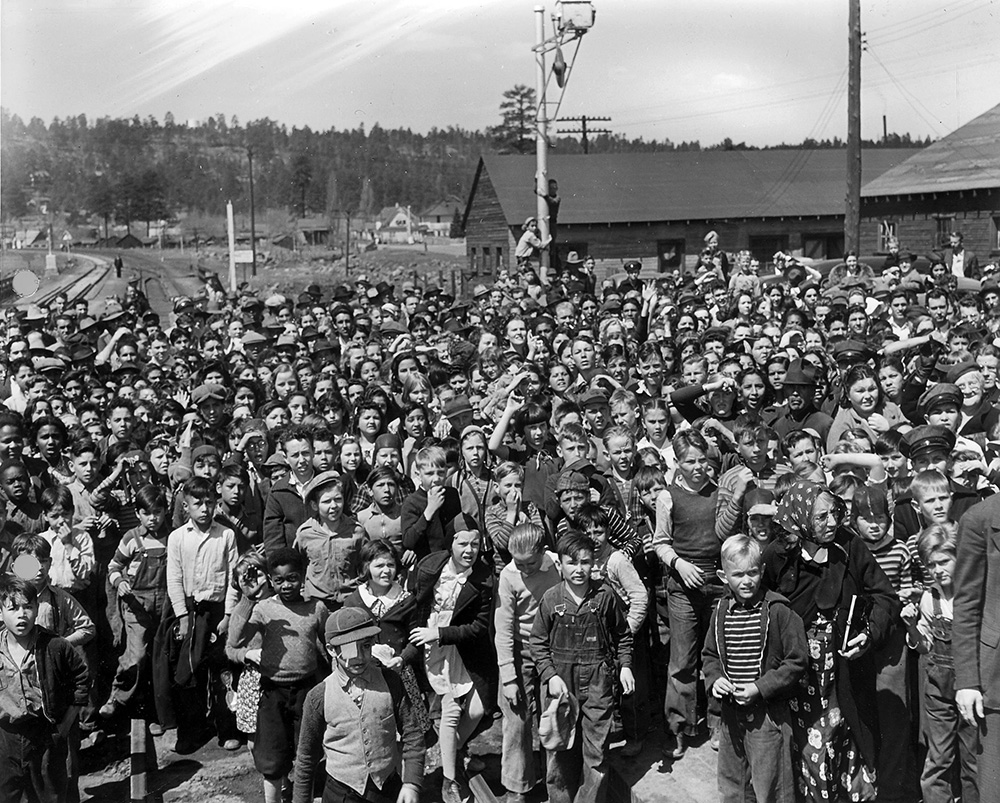
Unusual fascination for such a stellar caravan caused city officials of three cities to declare a school holiday so that Young America could see and hear some of its celluloid heroes and heroines. Fifteen-minute stops were made in Flagstaff, Ariz.; Gallup, N.M.; and Albuquerque, N.M. Indians, Mexicans, hermits, prospectors and ranchers with their families came afoot, on horseback, in rickety buggies and chugging jalopies to join the townsfolk in their amazing display of admiration for Hollywood’s parade on wheels.

— Tim