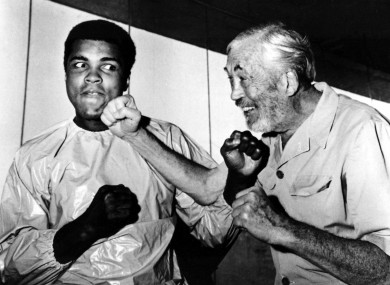
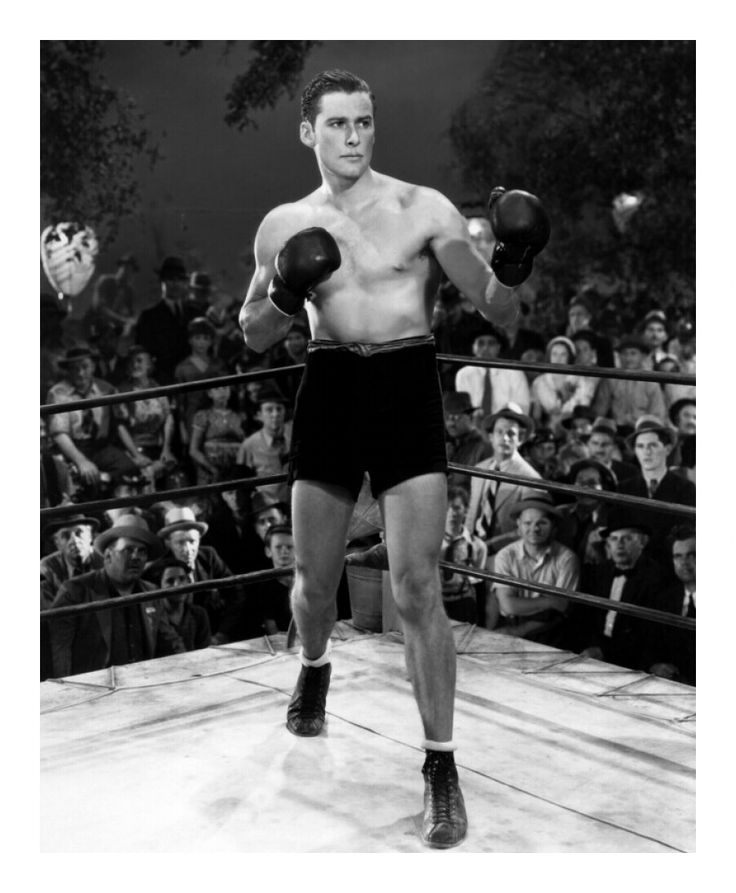
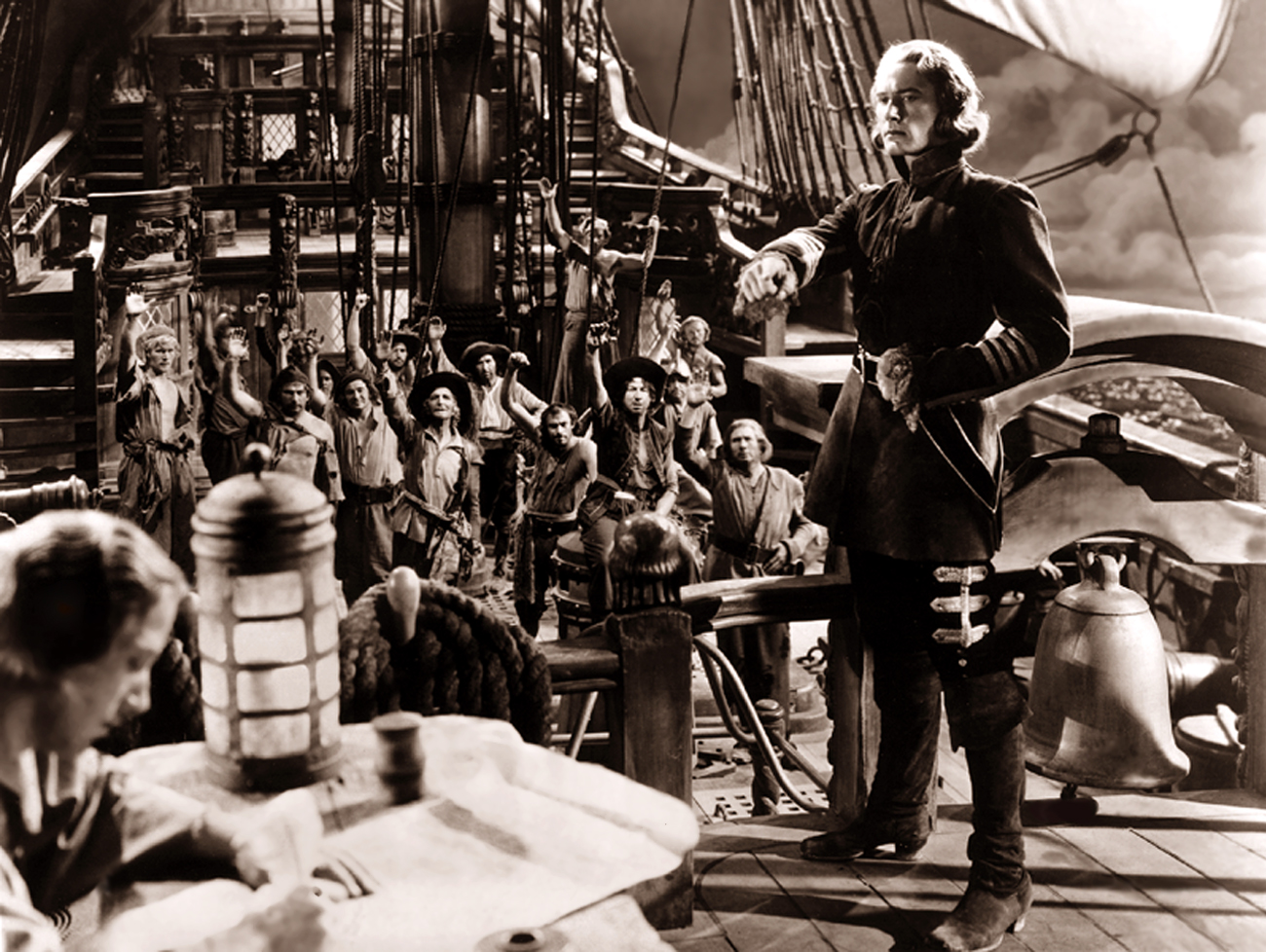
We received in the Mail Bag this great photo of Bob Peckinpaugh at a Pirate Party visit from Tom McNulty (and Jan, Queen of the Pirates!) Both old Pirates were original founding members of The Errol Flynn Blog …

Thanks, Mates!
— David DeWitt
We received in the Mail Bag this great photo of Bob Peckinpaugh at a Pirate Party visit from Tom McNulty (and Jan, Queen of the Pirates!) Both old Pirates were original founding members of The Errol Flynn Blog …
Thanks, Mates!
— David DeWitt
life.spectator.co.uk/2016/09/the-king-of-clubs/…
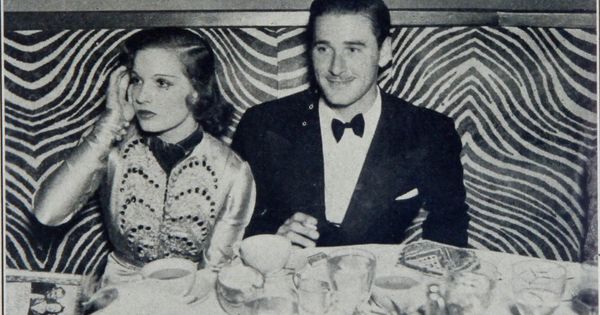
“Florence’s reputation was made when some disgruntled suitors beat up Freddy McEvoy, a playboy friend of Errol Flynn’s, in the club’s bathroom after Freddy refused to pay them their share for introducing Barbara Hutton to Count Raventlow, whom she subsequently married.”
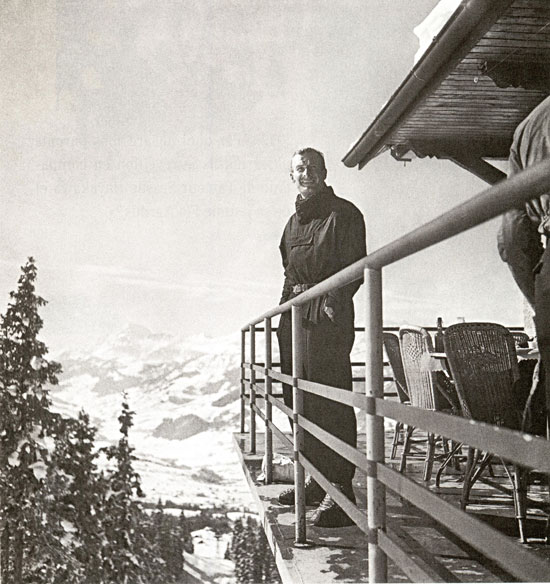
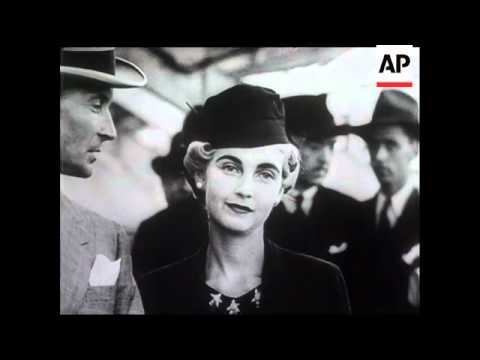
Here’s Barbara and the Count:
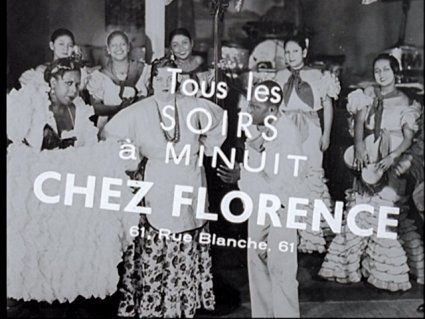
And here’s Chez Florence. Before Bricky Smith and Josephine Baker, there was Florence Jones, “Queen of
Montmartre after Midnight”.
— Tim

Dear fellow Flynn fans,
Picking up Gentlebard Tim`s thread on errolyric: www.theerrolflynnblog.com…
I challenge you now to enter your very own limerick on our Hollywood hero, his friends and woes.
According to Wikipedia, the standard form of a limerick is a stanza of five lines, with the first, second and fifth rhyming with one another and having three feet of three syllables each; and the shorter third and fourth lines also rhyming with each other, but having only two feet of three syllables. The defining “foot” of a limerick’s meter is usually the anapaest, (ta-ta-TUM), but catalexis (missing a weak syllable at the beginning of a line) and extra-syllable rhyme (which adds an extra unstressed syllable) can make limericks appear amphibrachic (ta-TUM-ta).
The first line traditionally introduces a person and a place, with the place appearing at the end of the first line and establishing the rhyme scheme for the second and fifth lines. In early limericks, the last line was often essentially a repeat of the first line, although this is no longer customary.
The form appeared in England in the early years of the 18th century. It was popularized by Edward Lear in the 19th century, although he did not use the term. Gershon Legman, who compiled the largest and most scholarly anthology, held that the true limerick as a folk form is always obscene, and cites similar opinions by Arnold Bennett and George Bernard Shaw, describing the clean limerick as a “periodic fad and object of magazine contests, rarely rising above mediocrity”. From a folkloric point of view, the form is essentially transgressive; violation of taboo is part of its function. Lear is unusual in his creative use of the form, satirising without overt violation:
There was a young lady of Niger
who smiled as she rode on a tiger;
They returned from the ride
with the lady inside,
and the smile on the face of the tiger.
Here`s another good instruction on how to put your words into play: www.webexhibits.org…
Like the old saying goes: creativity is 10% Inspiration and 90% transpiration. So let`s transpire y`all.
The author of the most inventive errolimerick get`s an exclusive copy of a still from my private collection of Errol Flynn`s unfinished “The Story of William Tell” film.
Enjoy,
— shangheinz
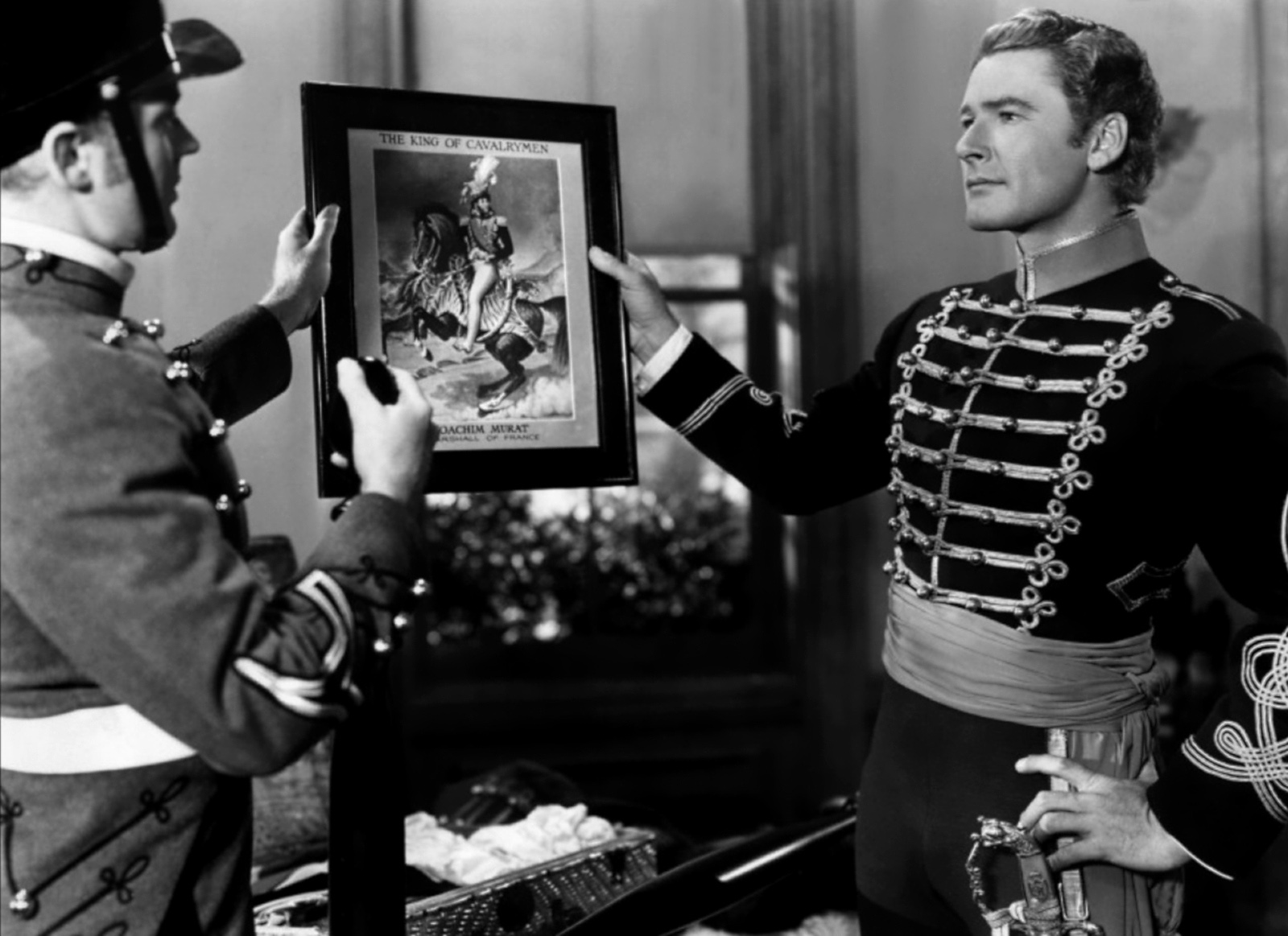
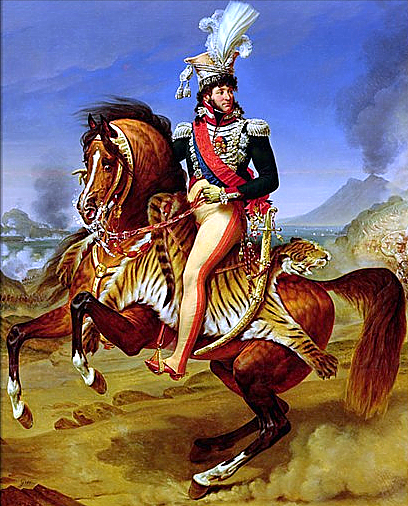
Wanted to know a bit more on this guy and found that they used an existing painting instead of having the art department make one up. At least I think so.
Link:
— twinarchers
I seem to get into these moods when drinking local ale.
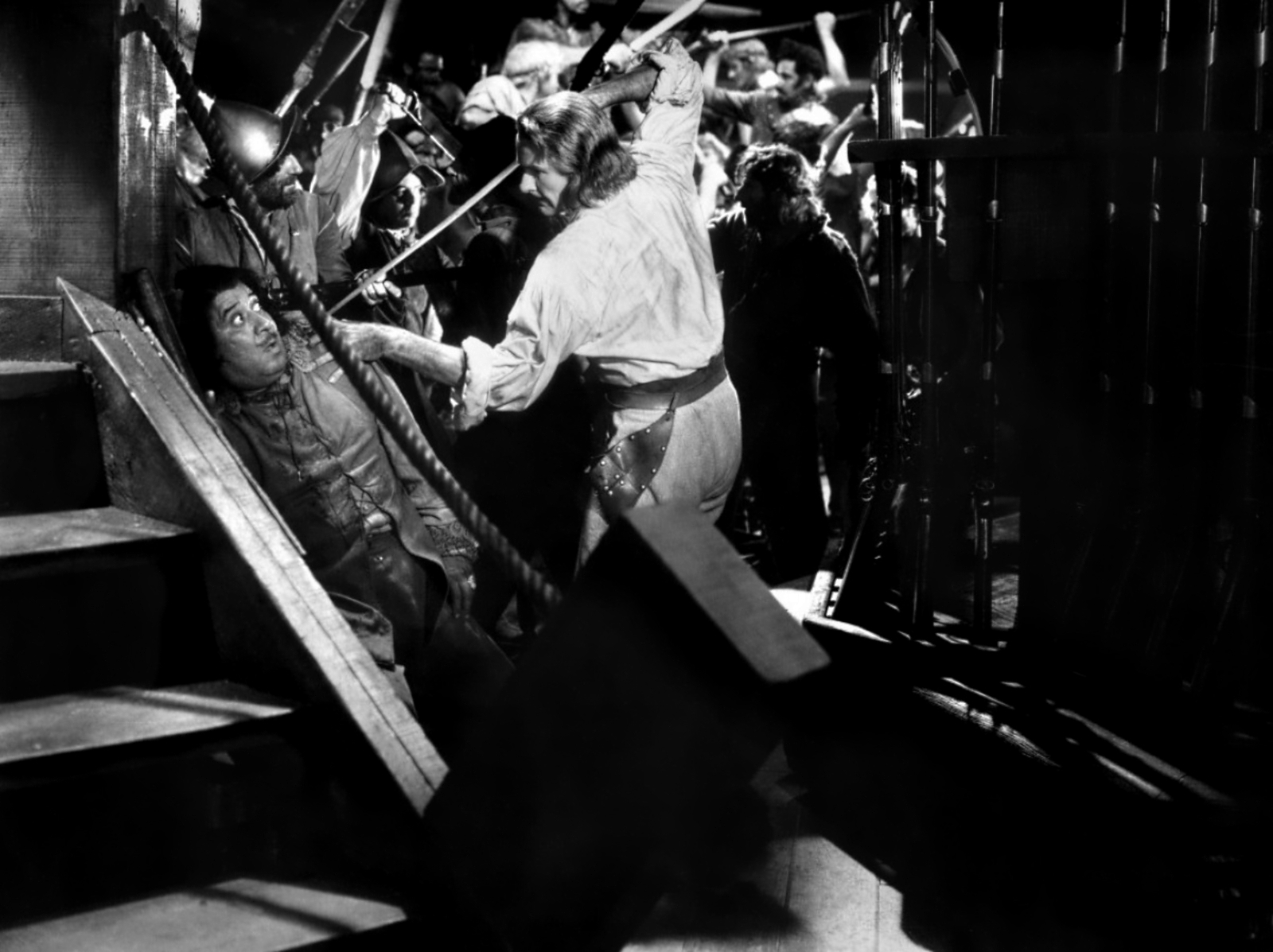
— twinarchers
Our esteemed friend and Flynnophile Karl Holmberg sends us this from t the wilds of the Internet:
Polly want a … Parrot?
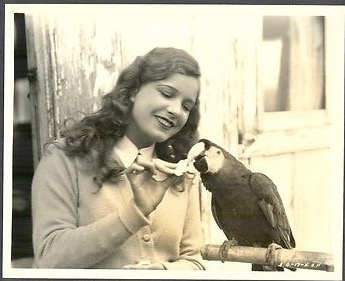
From the Samuel Goldwyn production “The Rescue” … 1929, directed by Herbert Brenon. Stars Ronald Coleman and Lily Damita in her first American film. Santa Cruz Island.
Special Thanks, Karl!
— David DeWitt
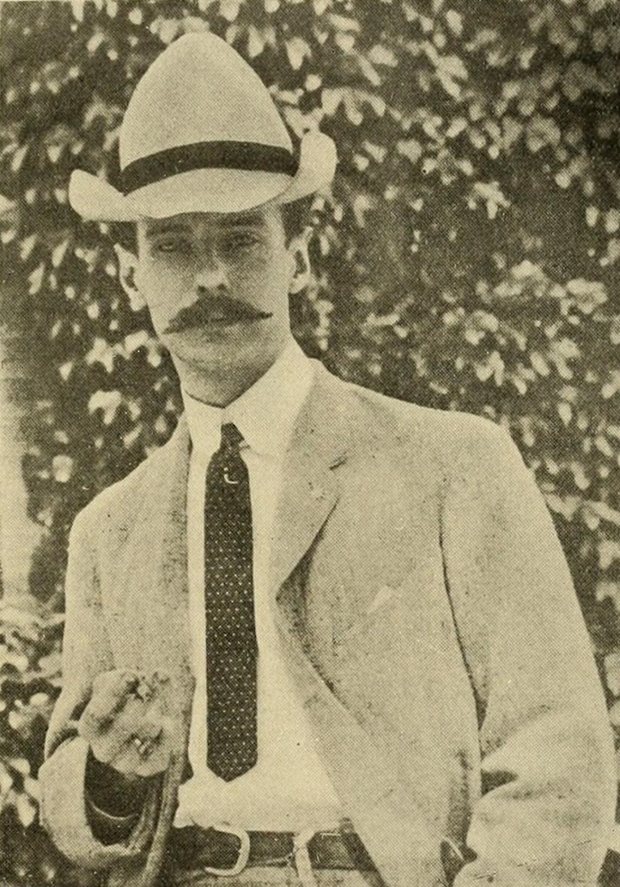
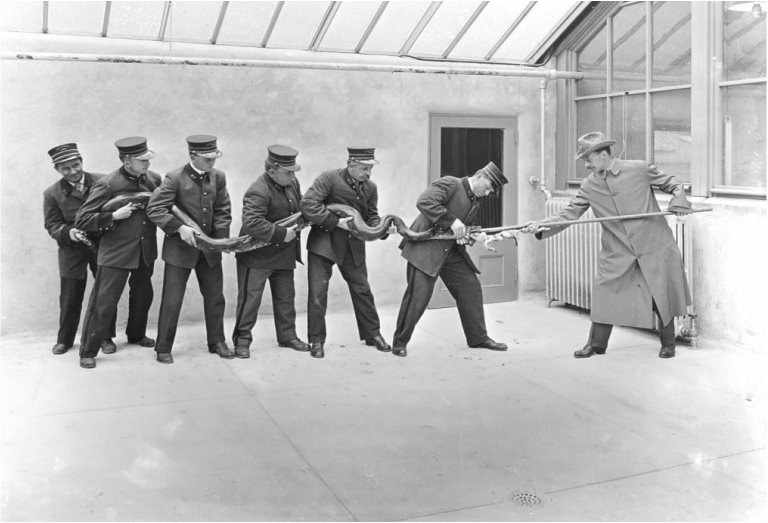
In September of 1936. it was reported that, during his days in New Guinea, Errol had hunted and sold snakes for a widely-heralded herpetologist.
Who was this famous man?
Clues:
1) He was a preeminent pioneer in his field.
2) He was also a celebrated author and public speaker.
3) He had a very close association with The Bronx Zoo.
4) Here are two photos of him, one in his early expedition era, the second taken approximately at the time Errol was reportedly capturing snakes for him:
— Tim